A Morning Stroll from Market to Maison
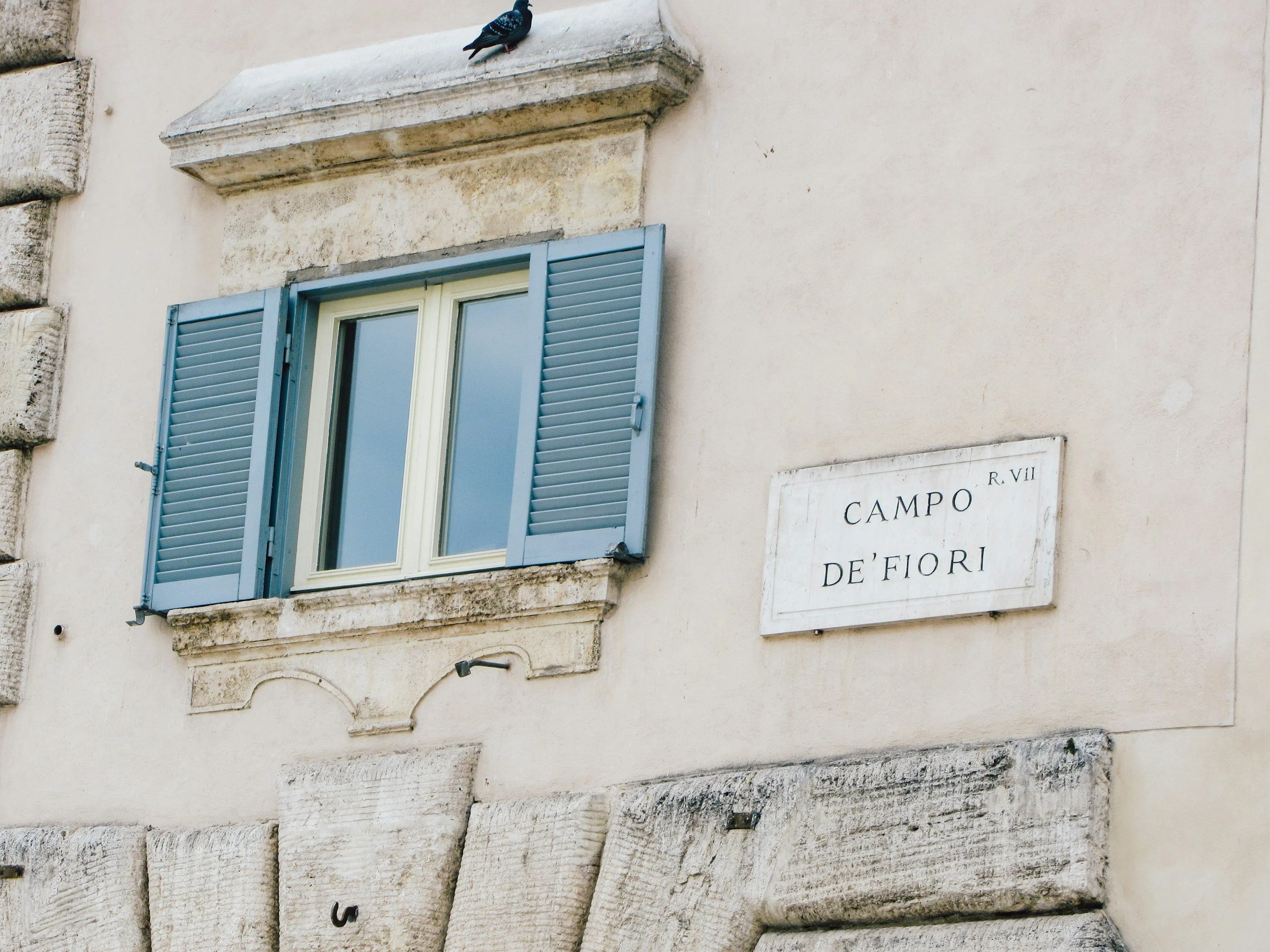
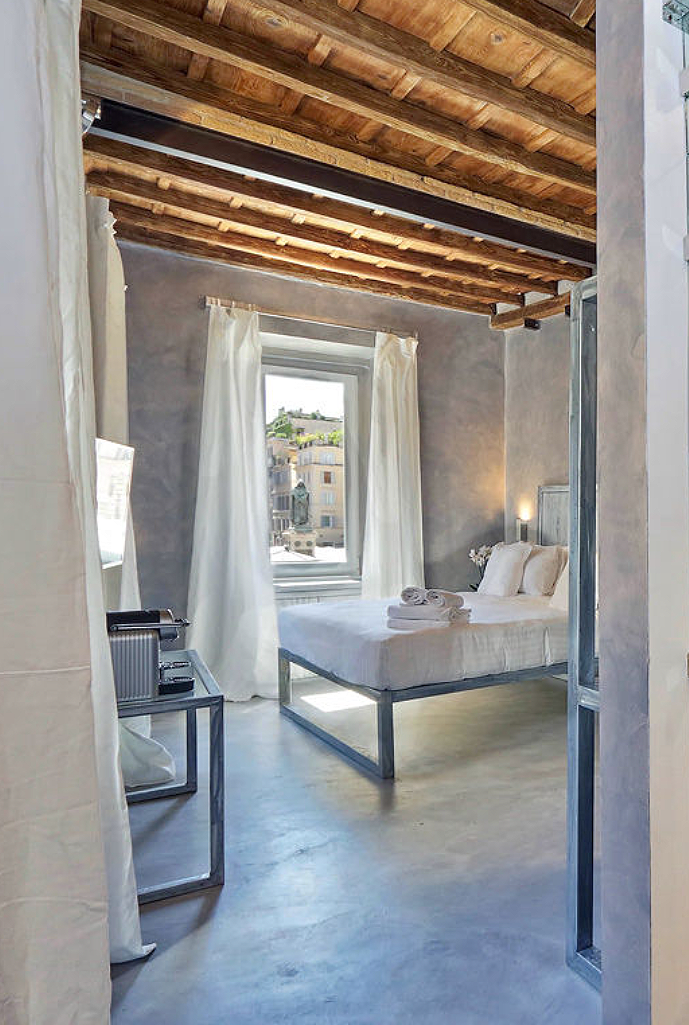
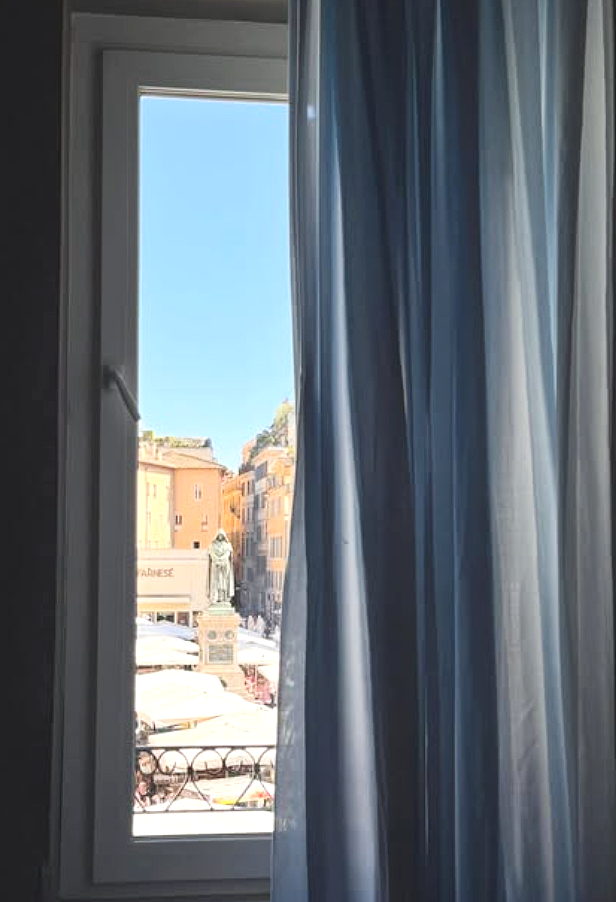
There are many ways to wake up in Rome, but my favourite begins high above the cobblestones of Campo de’ Fiori, in a room at Mama’s Home that feels more like a well‑kept secret than a hotel. Set inside a beautifully restored 14th‑century palazzo reimagined by the Campi family, the house still carries its centuries‑old bones — timber beams, cool stone, the sense of a building that has lived many lives — yet it feels quietly contemporary, refreshed with a light, thoughtful hand. We’ve stayed here on and off for years, always choosing a room that overlooks the square, and by now the creak of the shutters and the hum of the market below feel like part of our family’s own ritual.
Some of the rooms are surprisingly large by Roman standards, generous enough for the three of us to spread out without stepping on each other’s shoes or shopping bags. And then there’s the story — the kind of whispered Roman lore that makes the city irresistible. It’s said that centuries ago, the Popes kept this house as a discreet refuge for their mistresses, with tunnels running all the way to the Vatican. Whether true or not, the idea adds a delicious layer of mischief to an otherwise modest stay.
Campo de’ Fiori Before the Day Begins
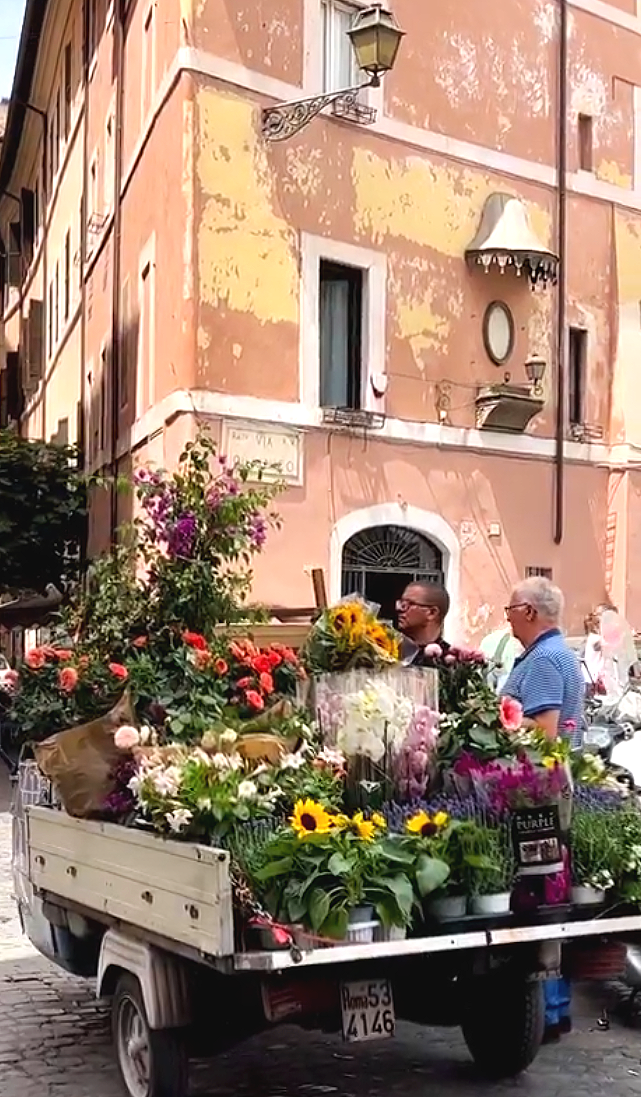
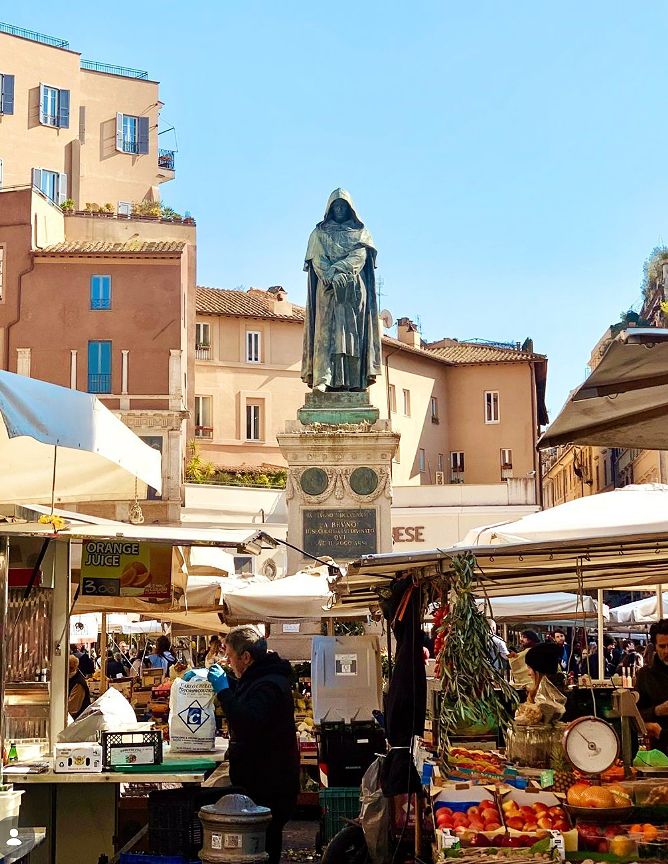
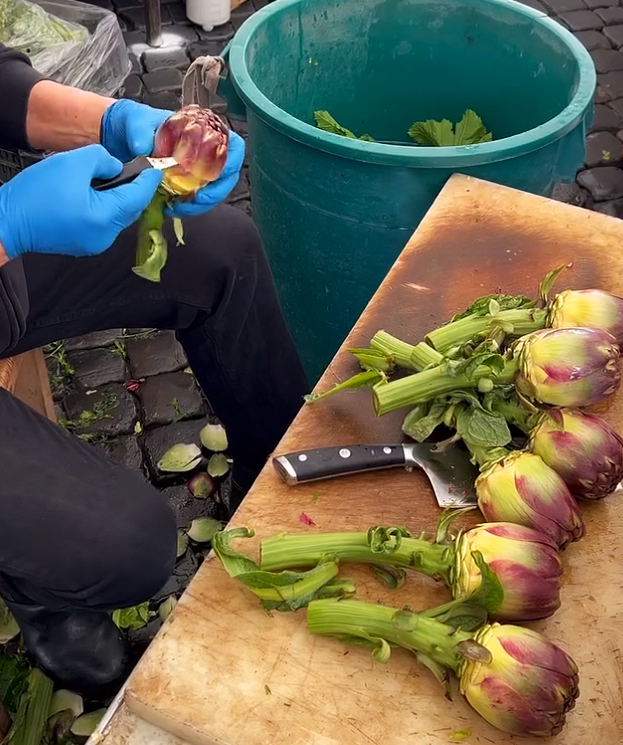
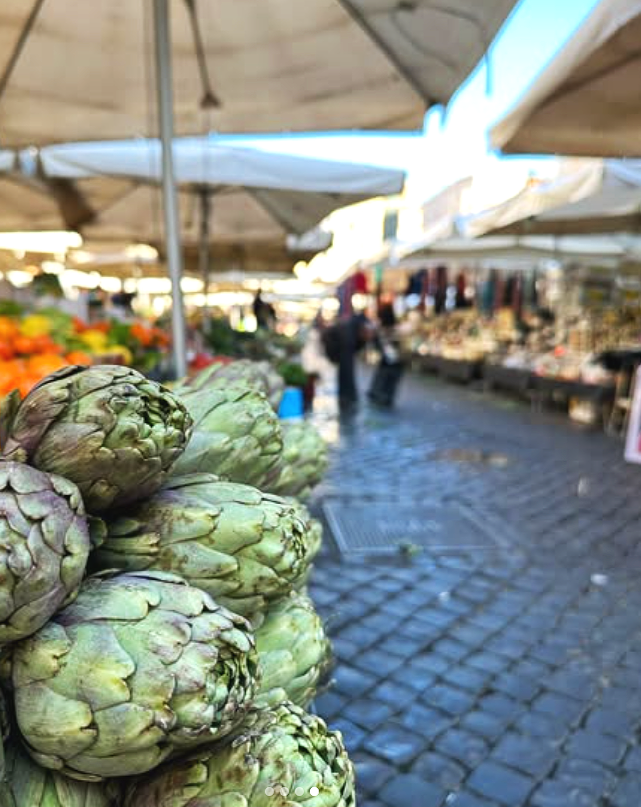
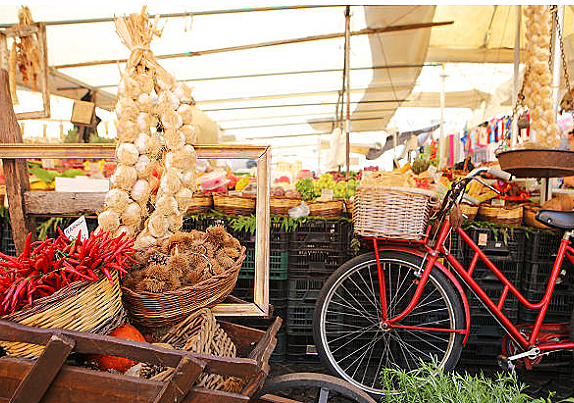
We slip out early, before the crowds arrive, when the market is still stretching awake. Crates of artichokes, glossy peppers, and wild strawberries appear one by one; stallholders greet each other with the kind of warmth that only comes from decades of shared mornings. There’s something grounding about watching a city assemble itself — the clatter of wooden boxes, the first hiss of espresso machines, the scent of sun‑warmed produce that will be gone by noon.
Forno — the perfect next step
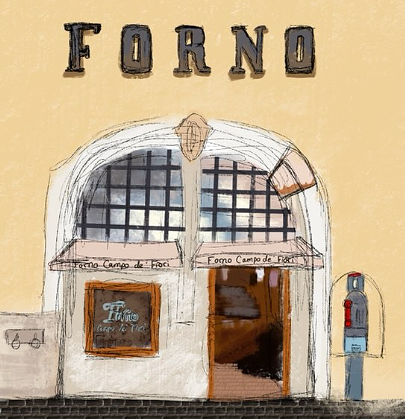
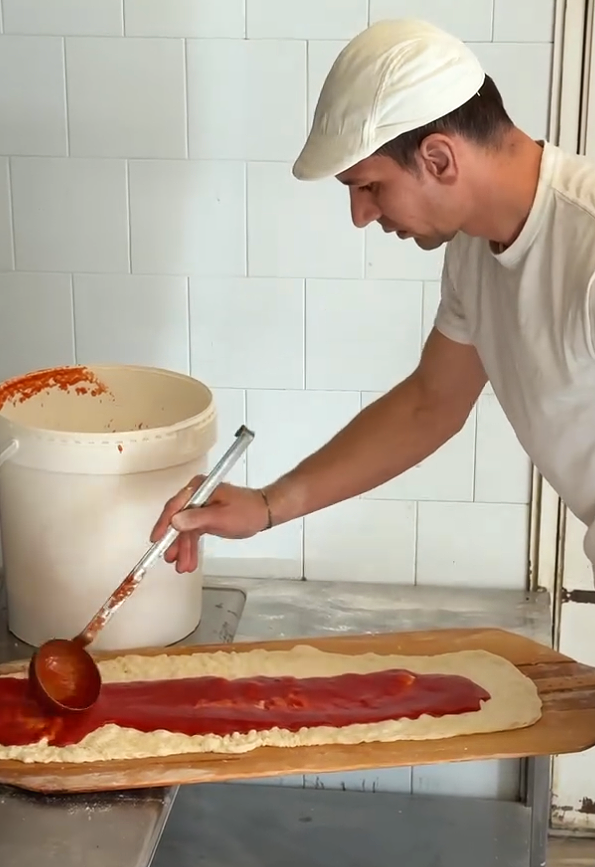
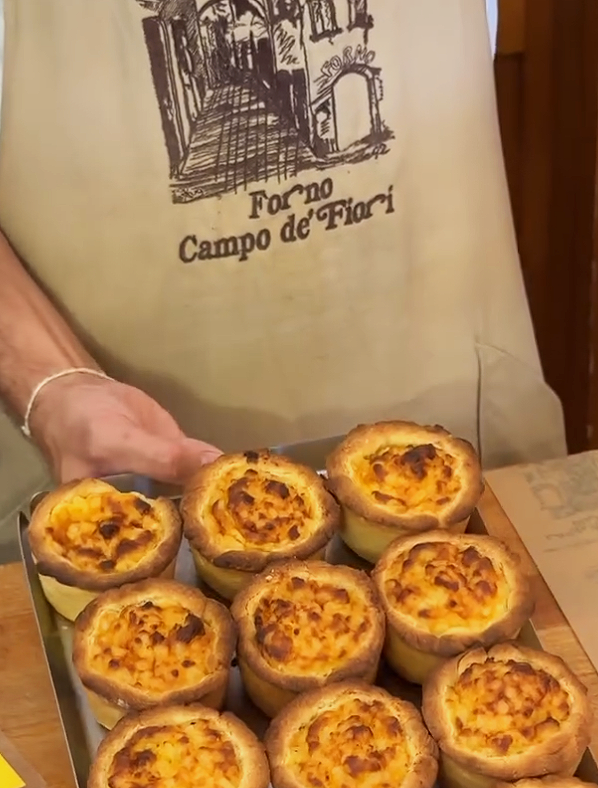
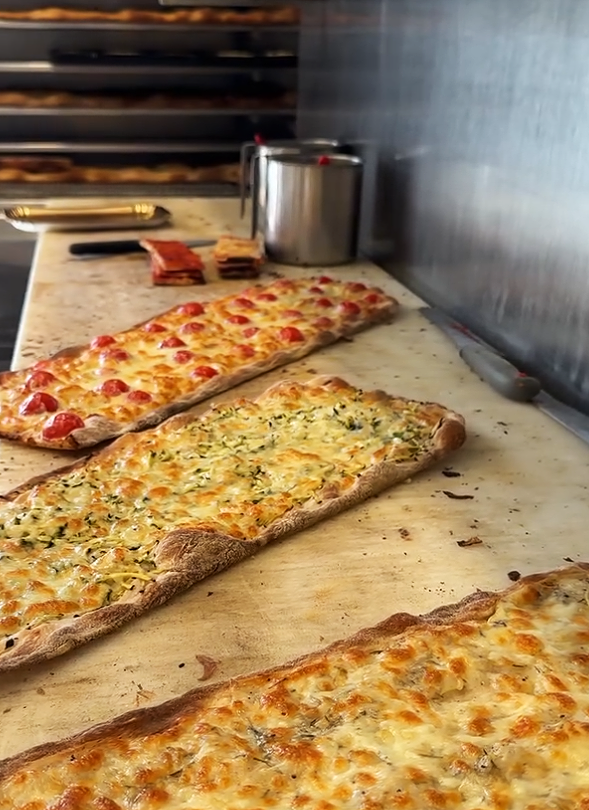
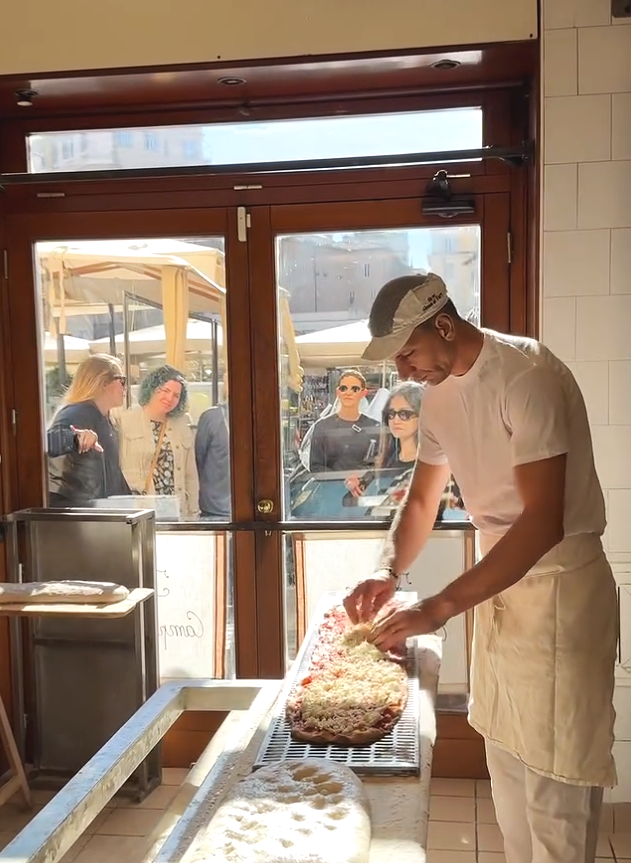
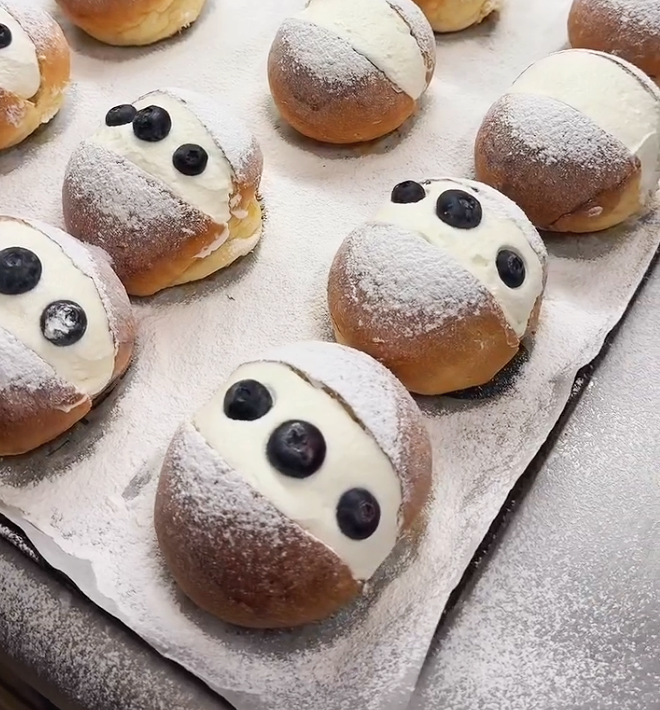
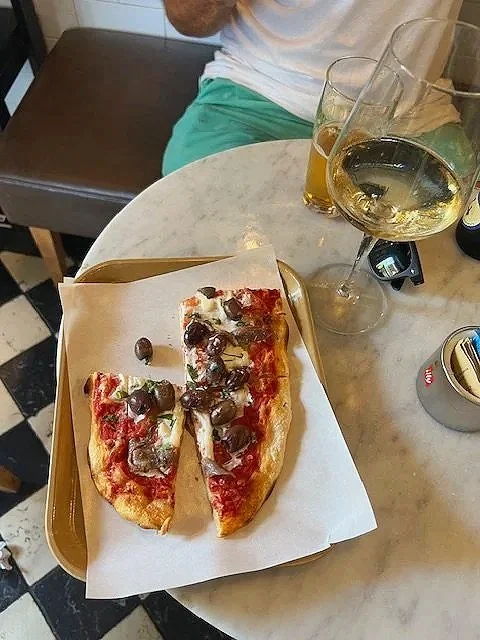
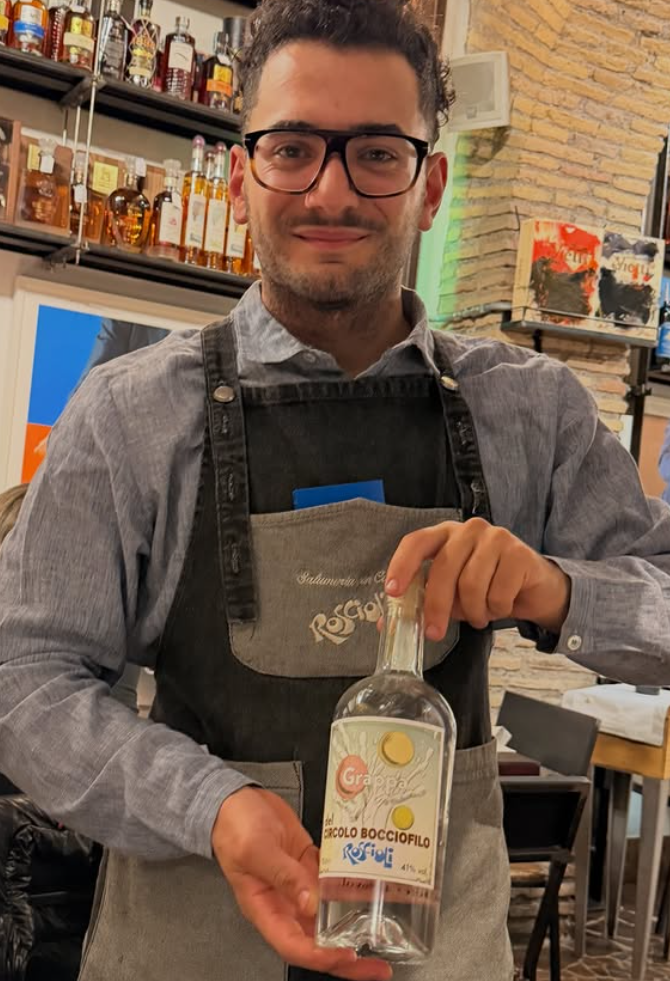
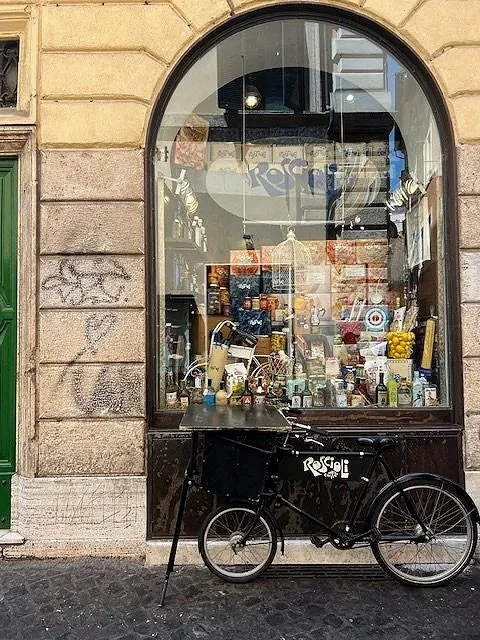
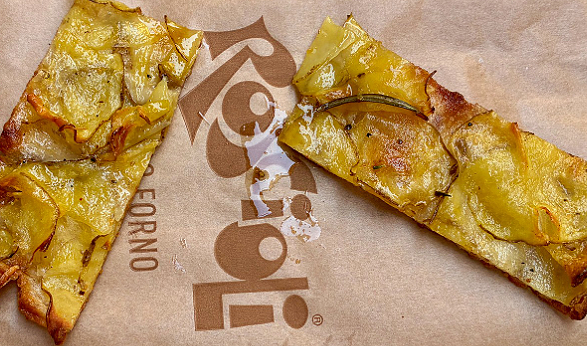
Just a few minutes from the front door of Mama’s Home, our mornings usually lead us to one of two favourites — Forno Campo de’ Fiori or Antico Forno Roscioli. Each has its own rhythm, but both offer that unmistakable Roman ease: no theatrics, no fuss, just trays of warm pizza bianca sliding from the oven and locals drifting in for their daily bread. We order coffee, choose something simple to take with us, and step back into the street with a still‑warm slice in hand. It’s the kind of everyday Roman pleasure that feels small and perfect, the ideal beginning to a slow wander through the neighbourhood.
A gentle morning route through Rome
Begin at Mama’s Home on Campo de’ Fiori, stepping out just as the market unfurls its canvas awnings and the square fills with the soft clatter of crates and early‑morning voices. Cross the piazza toward Via dei Giubbonari, following it for a few minutes before turning left onto Via dei Chiavari — a narrow, honey‑coloured lane that leads straight to Antico Forno Roscioli, where you’ll pick up coffee and something warm from the counter. Continue south along Via dei Giubbonari until it meets Via dei Cappellari, then weave through these quiet backstreets until you reach Via di Monserrato, one of Rome’s most elegant corridors.
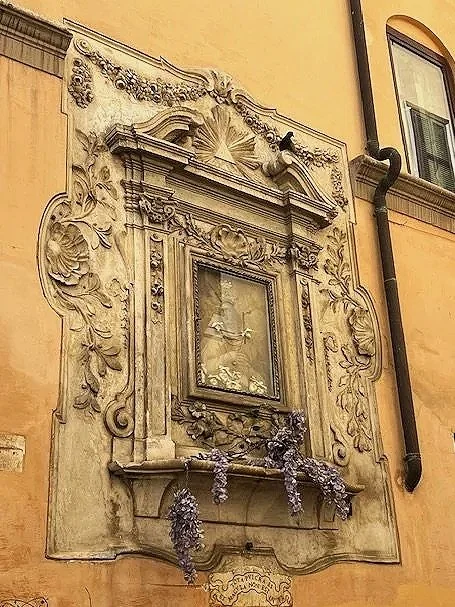
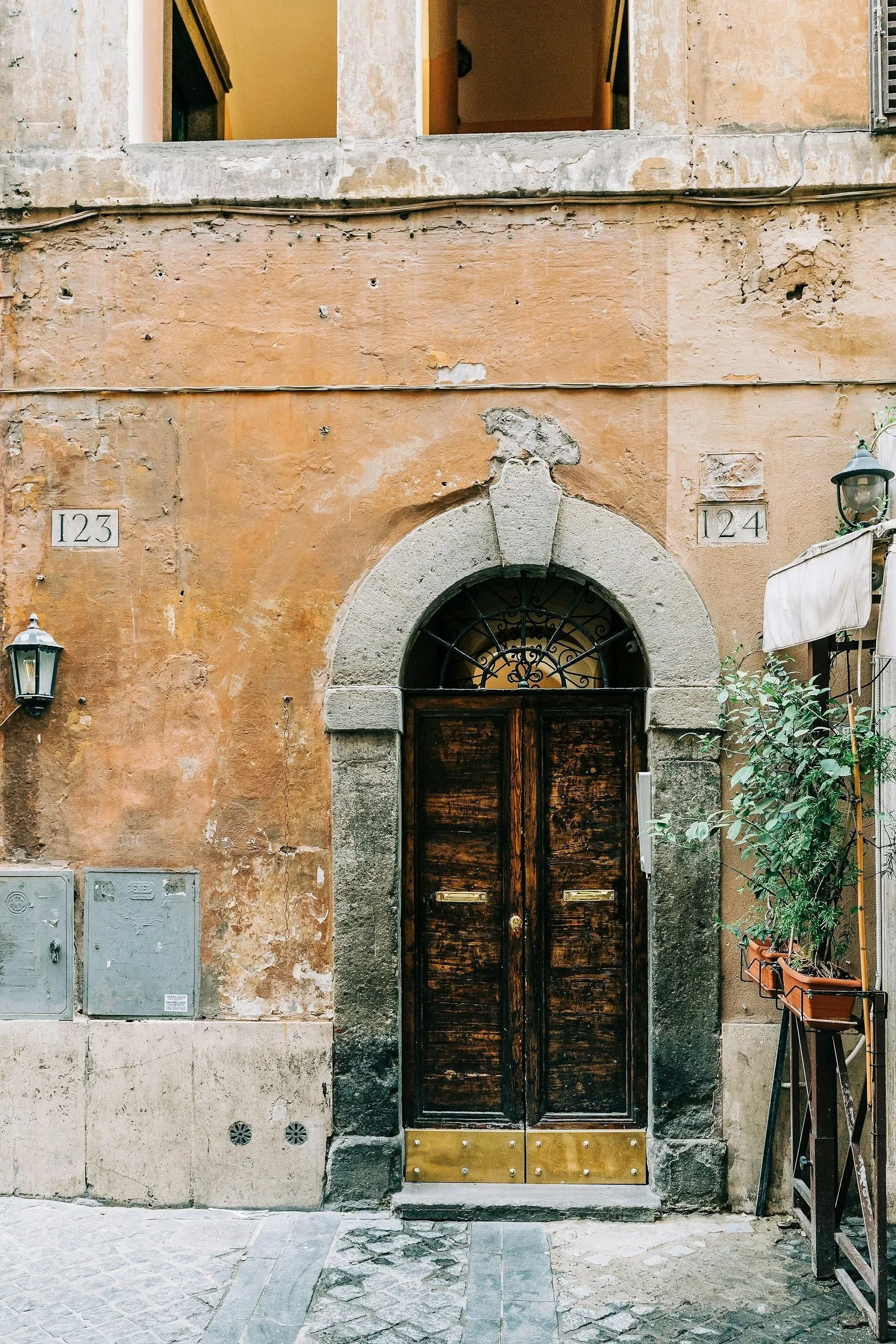
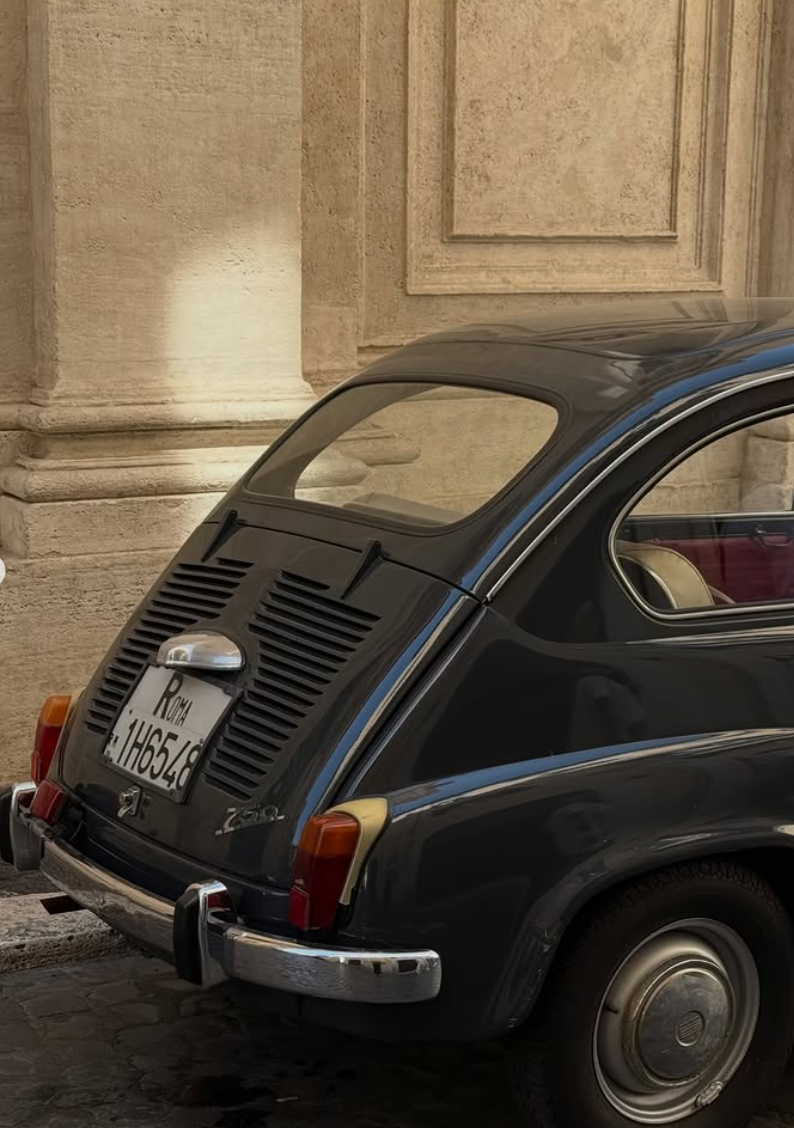
There are streets in Rome made for sightseeing, and then there are streets made for lingering. Via di Monserrato belongs firmly to the second category — a handsome ribbon of cobblestones where old palazzi, artisan ateliers and softly polished doorways invite a slower pace. Tucked between Campo de’ Fiori and the Tiber, this is the Rome insiders keep to themselves: elegant, slightly bohemian, and best discovered before the city fully wakes.
Here we will often grab a second coffee at Caffè Perù, a Roman institution that has been serving espresso to locals for decades. Order standing at the bar, as Romans do, with a cornetto still warm from the oven. The room hums softly with morning ritual — cups clinking, newspapers folding, greetings exchanged like theatre lines long memorised. Take your coffee outside and watch the street stretch awake.
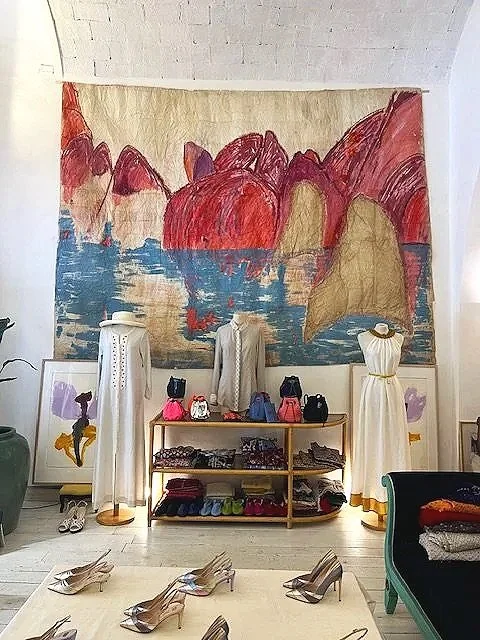
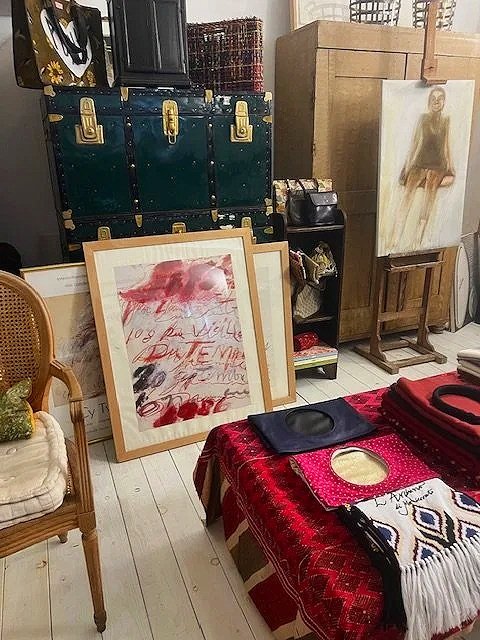
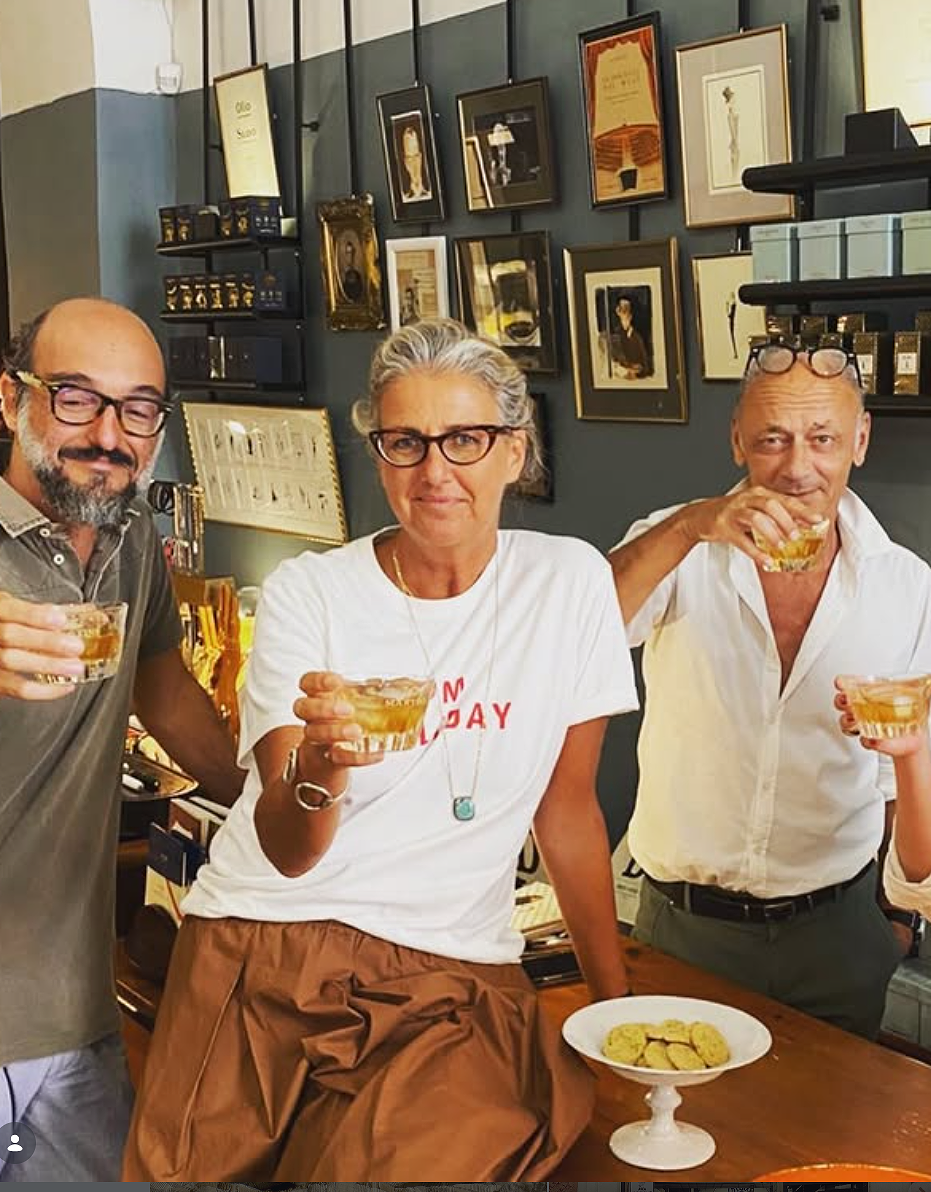
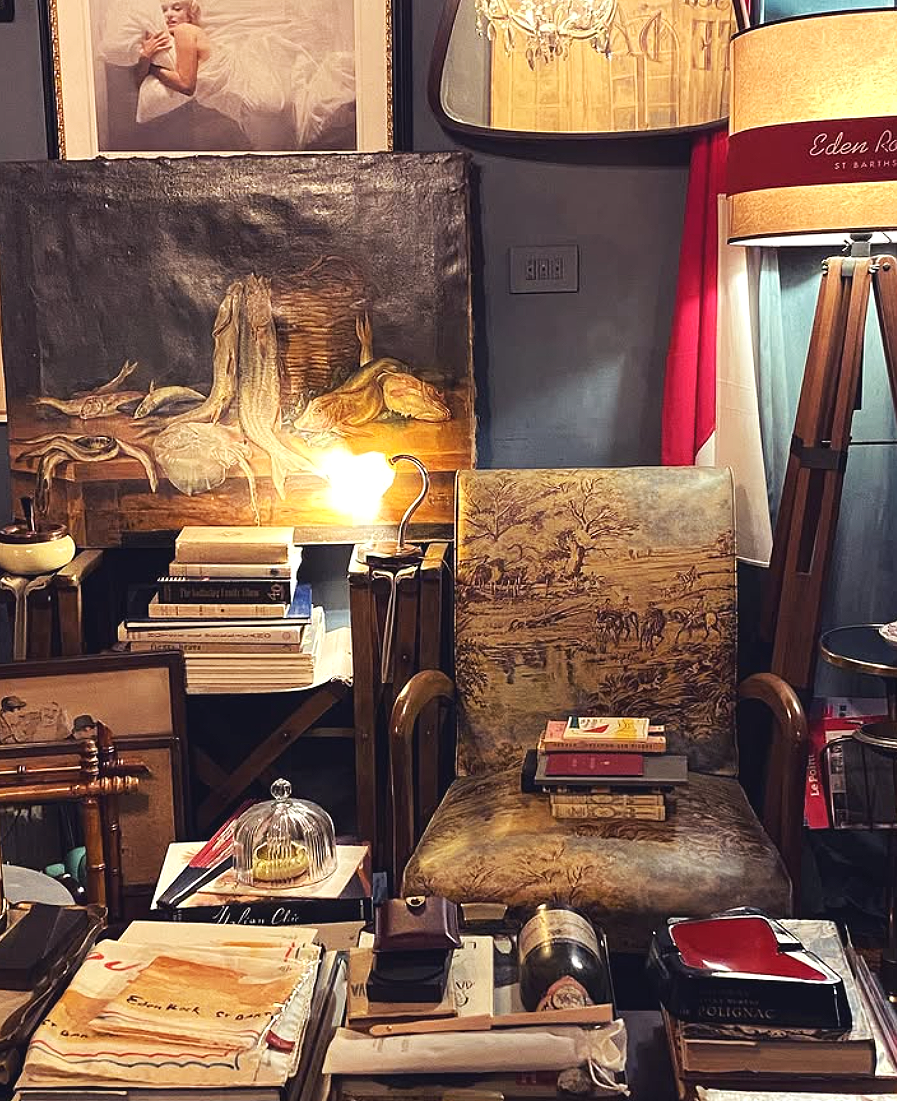
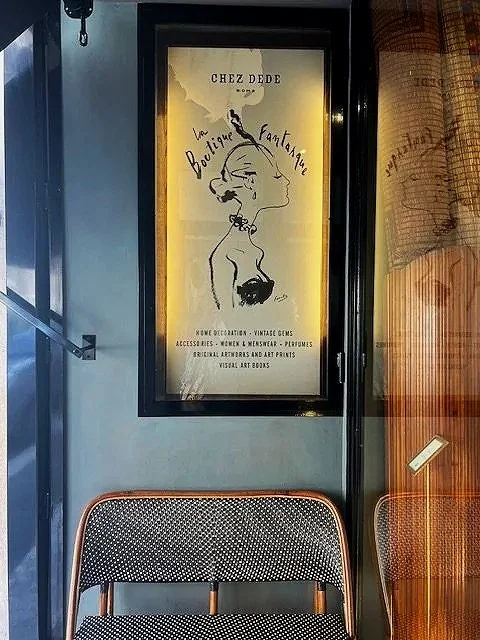
Via di Monserrato’s greatest luxury is not labels, but character. This is where shopkeepers still know their collections intimately and every doorway feels discovered rather than advertised. At No. 35, we arrive at my favourite: Chez Dédé. Part boutique, part salon, part universe, it’s the kind of place that makes you want to redesign your entire life. The store is a world of linen Kaftans, hand‑drawn illustrations, oversized bags, art books, and objects that feel collected rather than sourced. Everything is tactile, thoughtful, beautifully made — the kind of pieces that whisper rather than shout.
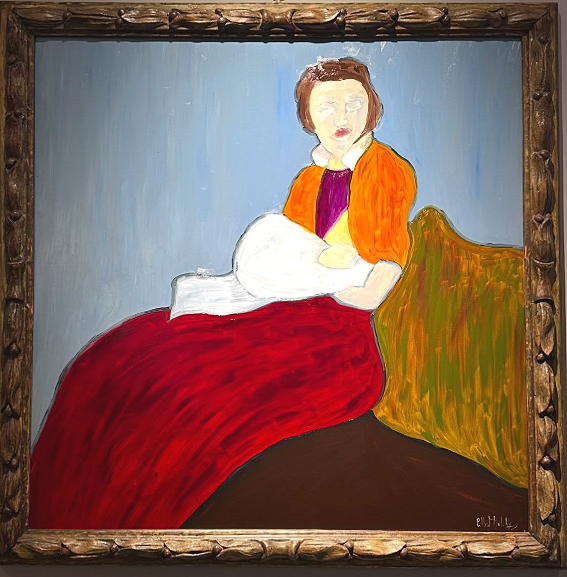
A few doors along, Maison Halaby where artist Gilbert Halaby moves between his concept store and his latest exhibition at the gallery next door offers a more jewel-box mood: colourful leather bags, objects with Levantine flair, and an atmosphere that feels half salon, half atelier. Further on, design lovers should peek into L’Archivio di Monserrato, here Soledad Twombly welcomes you as though you’ve stepped into her private archive. Textiles from Buenos Aires to Bangalore spill from cabinets, each piece carrying a story, a journey, a past life. Bookending the neighbourhood are other favourites — Delfina Delettrez, La Jolie Fille Robe — each run by owners who seem to waltz in and out of one another’s spaces as if the whole street were a shared living room. And then there are the Artisanal perfumeries and antique shops — the kind you stumble into and emerge from twenty minutes later smelling of bergamot or holding a 19th‑century print you absolutely didn’t plan to buy.
Turn the Corner
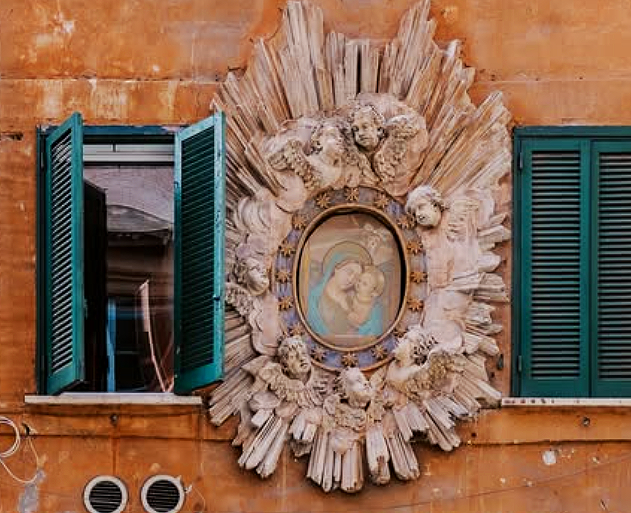
One of the pleasures of this pocket of Rome is that every side street rewards curiosity. Slip onto Via dei Coronari, one of the city’s loveliest stretches for more antiques, jewellery and decorative finds, where centuries-old façades frame impossibly chic windows. Then wander back via Via Giulia, grand and cinematic, lined with noble palaces and sun-drenched stone. No map required — just instinct.

A Late Morning Table
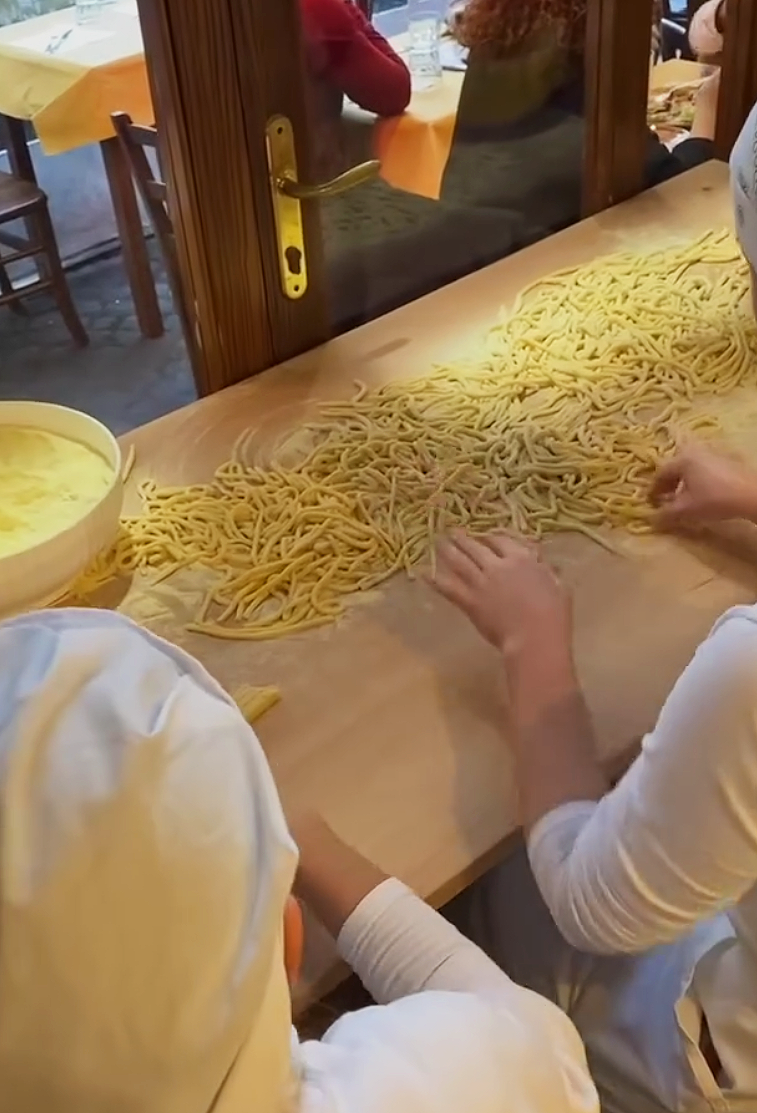
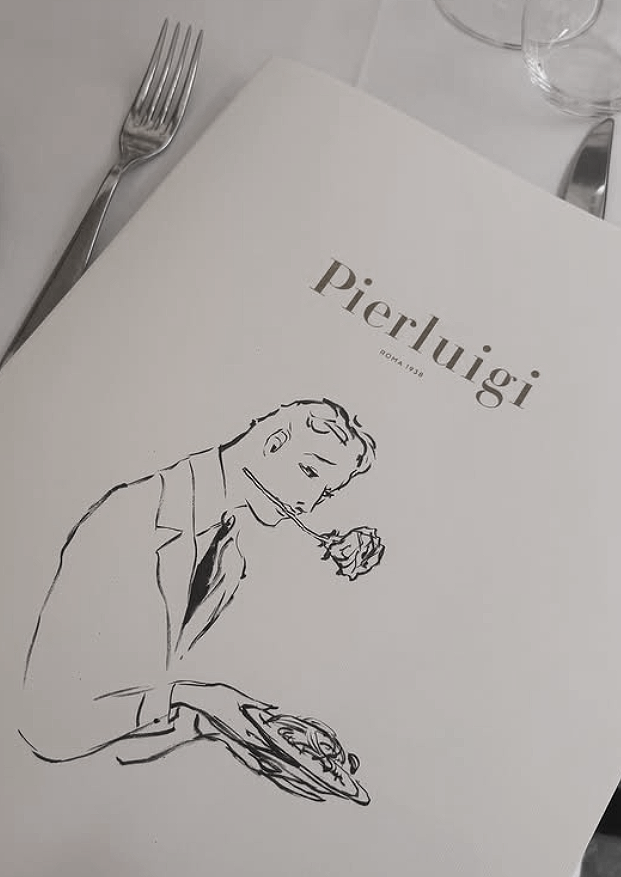
As appetite arrives, there are pleny of options to entice. Settle into Pierluigi on nearby Piazza de’ Ricci, a polished Roman classic beloved for seafood, crisp white tablecloths and people-watching worthy of its own reservation. Piperno for classic Jewish‑Roman dishes in the Ghetto, especially if you love artichokes. It has that lovely, time‑capsule formality — wood‑panelled walls, soft light, and staff in immaculate white jackets who make the whole experience feel quietly ceremonial. The room fills with a mix of well‑dressed travellers and locals who treat it like their weekly ritual, so it’s the kind of place where you naturally want to look put‑together. It all adds up to an atmosphere that feels both classic and comfortably lived‑in. Salumeria Roscioli is another favourite— the sibling to the bakery, perfect for carbonara, cacio e pepe, and a glass of something cold. Make sure you book on their website ahead of time. Da Enzo al 29 (a short detour into Trastevere) — dishes up iconic Roman trattoria fare which is worth the wait.
The Rythm of a perfect Roman Morning
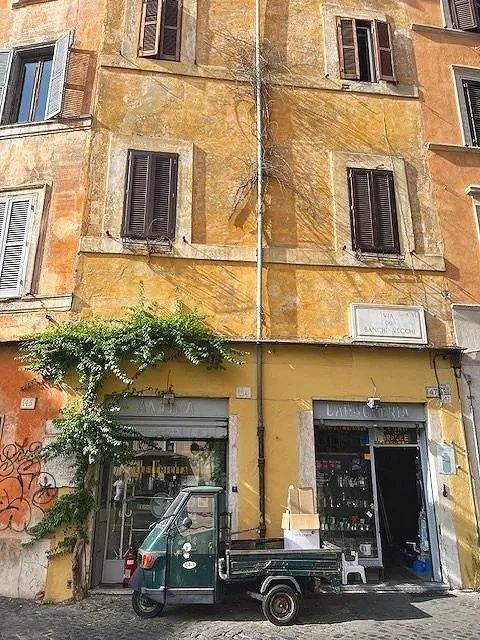
Via di Monserrato is not about ticking off landmarks. It is about mood, proportion, beauty in small things — the perfect bag in a tiny boutique, sunlight on ochre walls, the second coffee that turns into lunch.
For one perfect Roman morning, start your morning here and let the wandering be the point, no destination required. You’ll likely end up with a paper bag from Roscioli, a book from Chez Dédé, and that familiar sense that Rome has worked its soft, effortless magic again — a simple, sensory morning that always feels a little extraordinary.