Checking In at Henrietta Experimental: Where Covent Garden Slows to a Whisper
A London stay where theatre lights, cobblestones, and a leafy church garden become part of the story
London has a way of greeting you differently each time you arrive. This time, it met us with a soft drizzle, the kind that makes the pavements shine and the city feel like it’s been freshly polished. Covent Garden was already humming — street performers warming up, cafés pulling open their doors — when we slipped into Henrietta Experimental, our home for a few days in the heart of the West End.
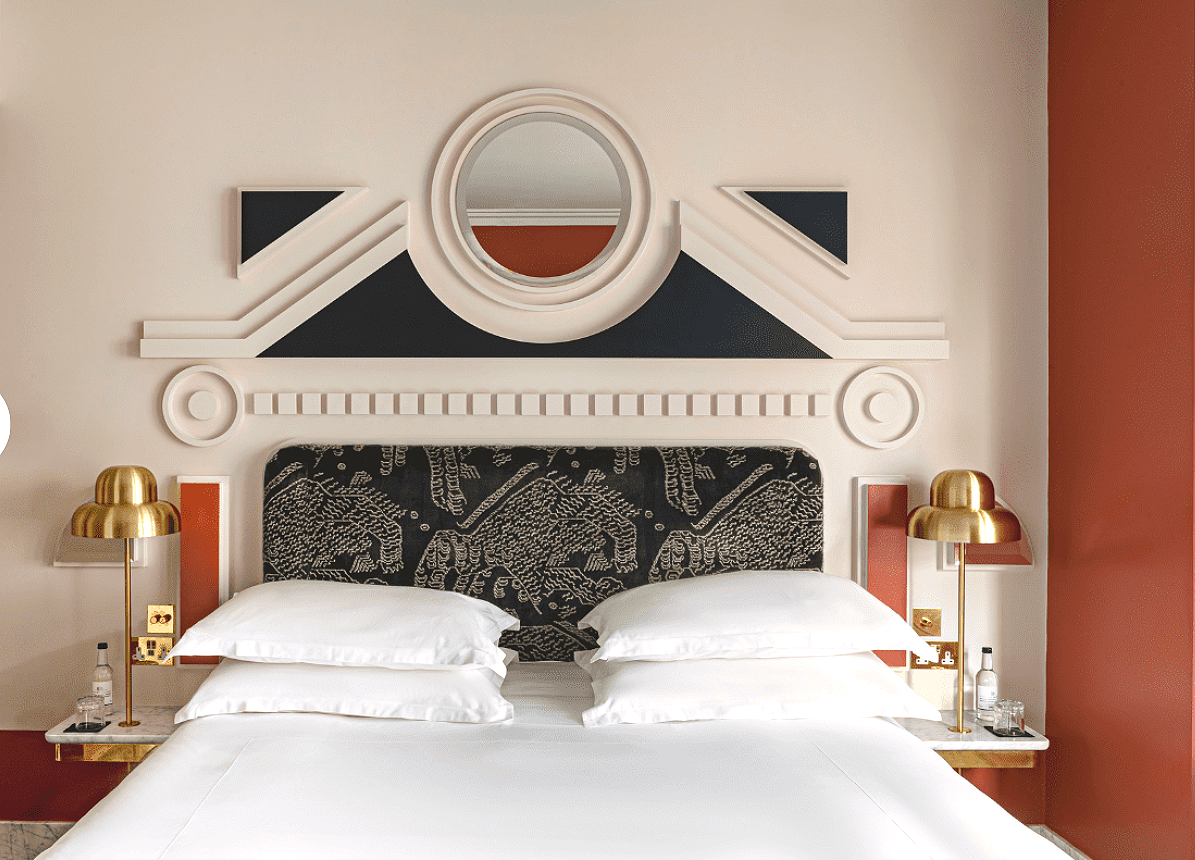
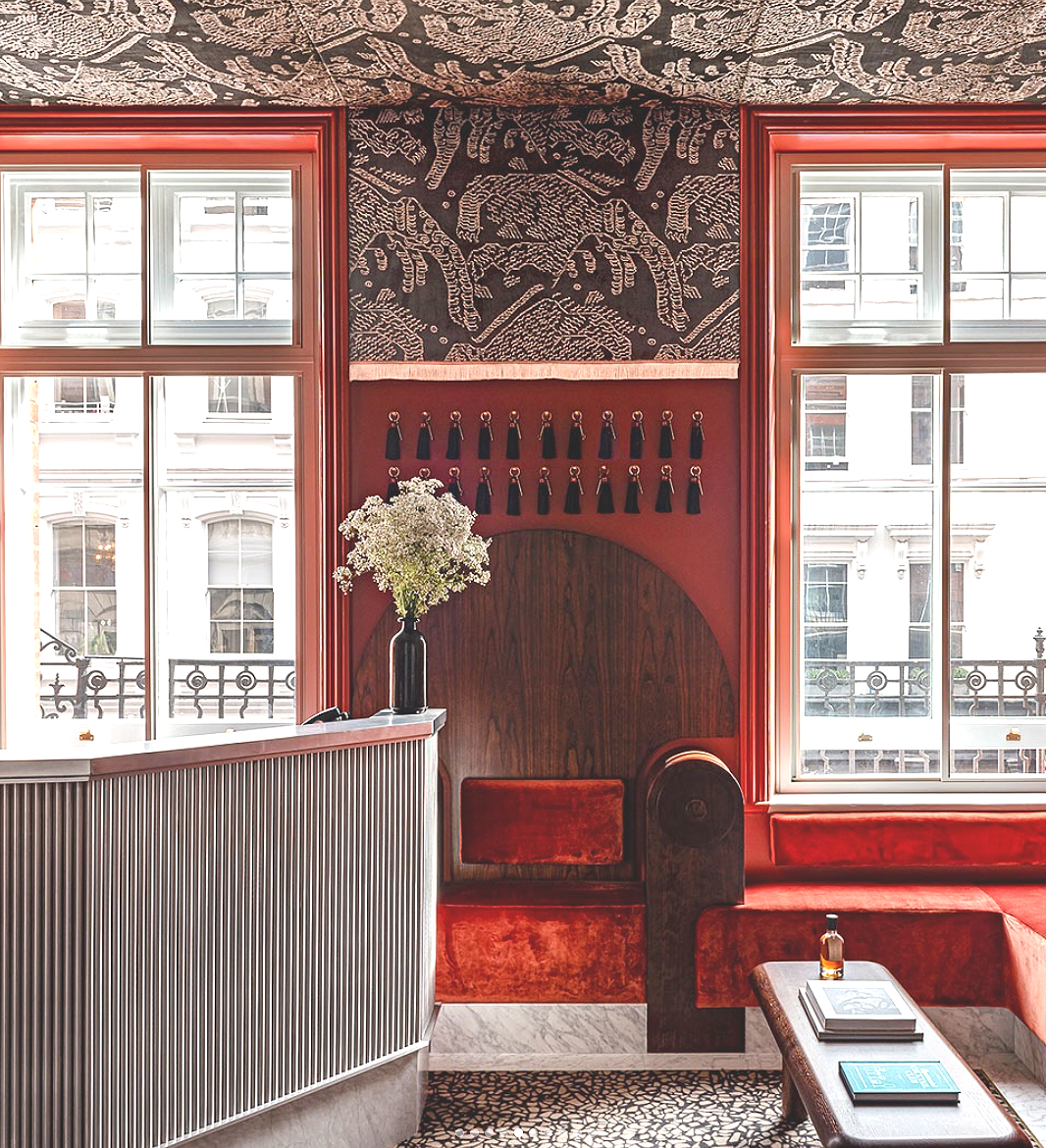
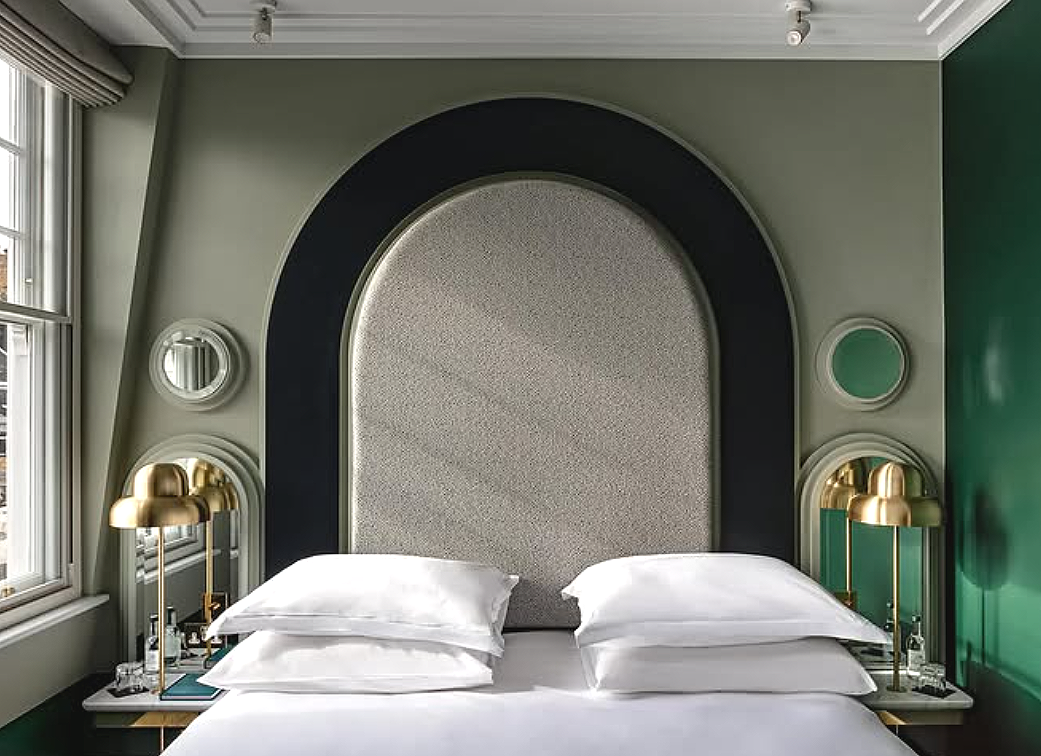
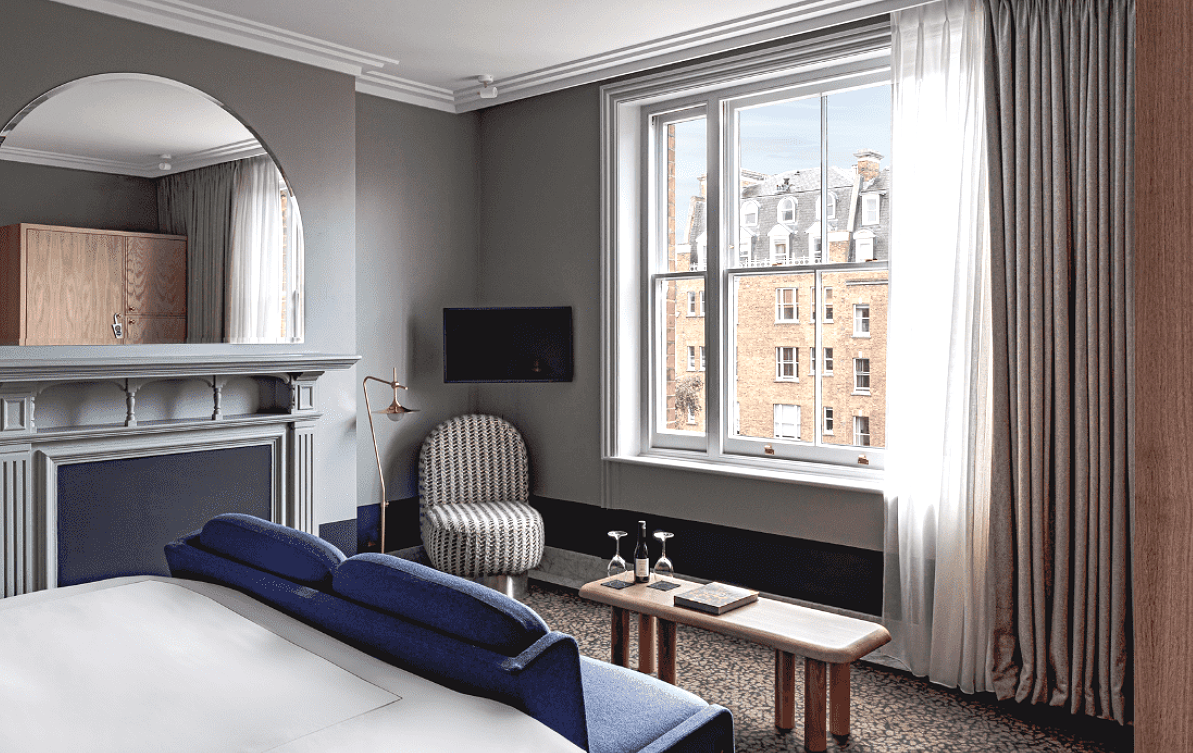
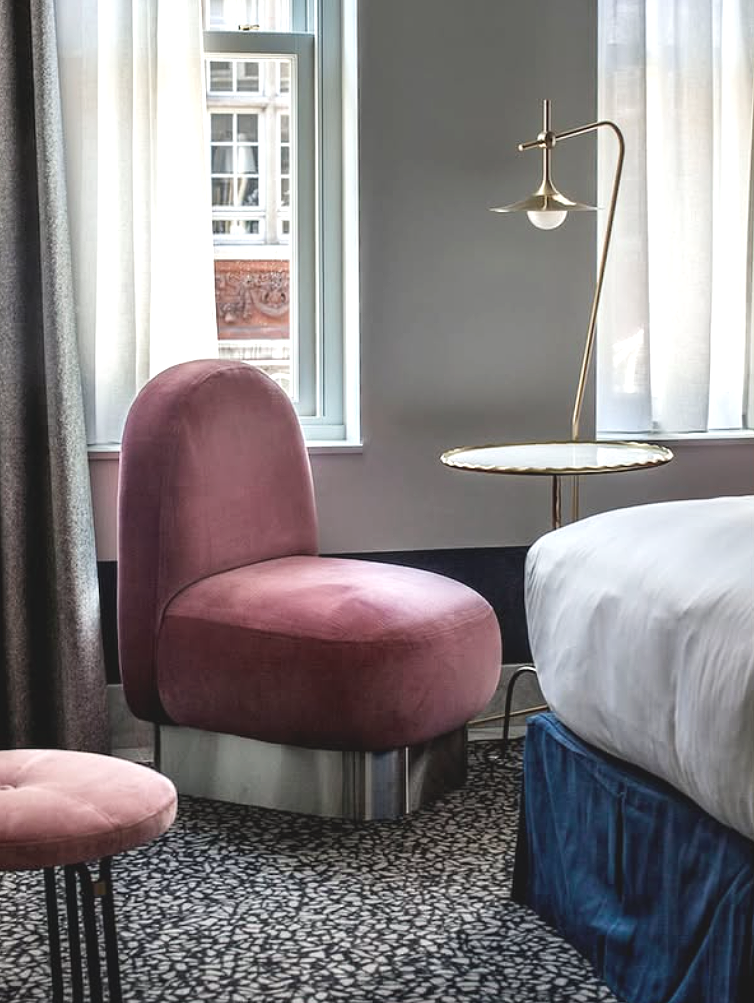
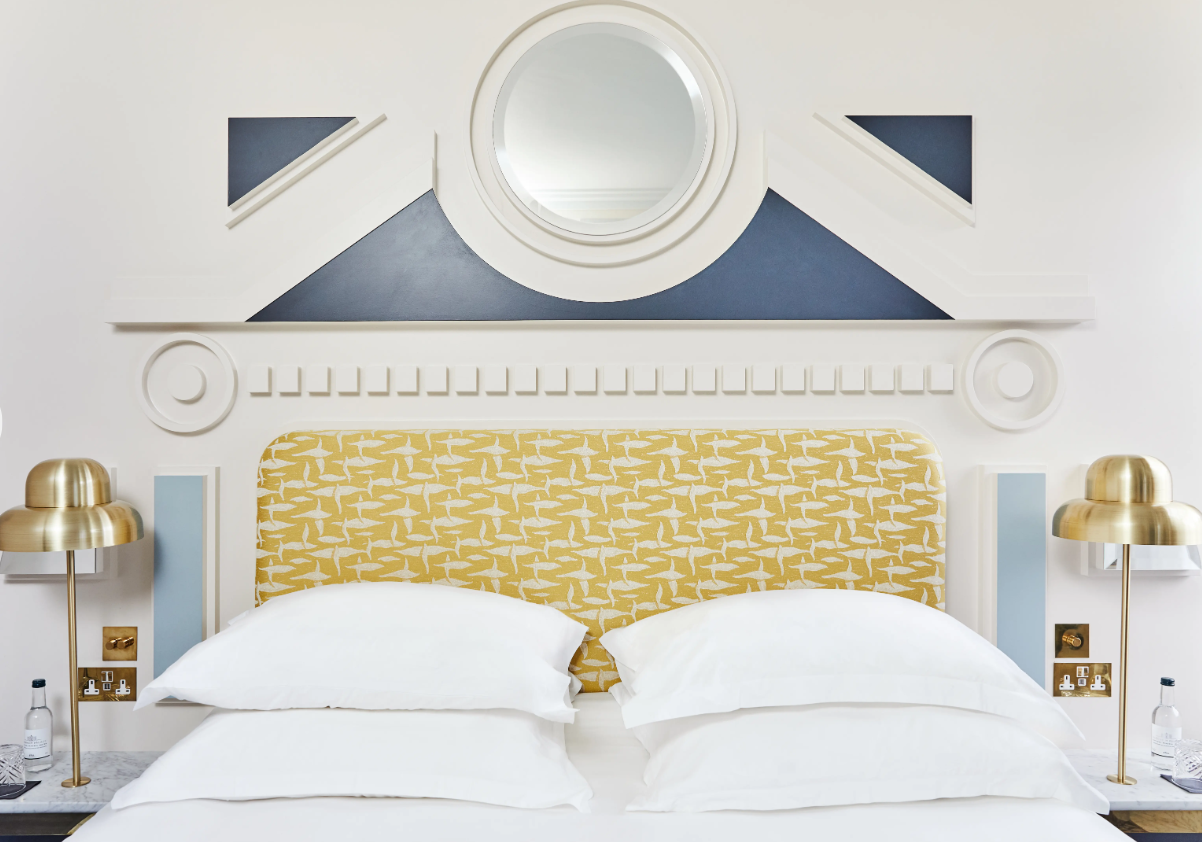
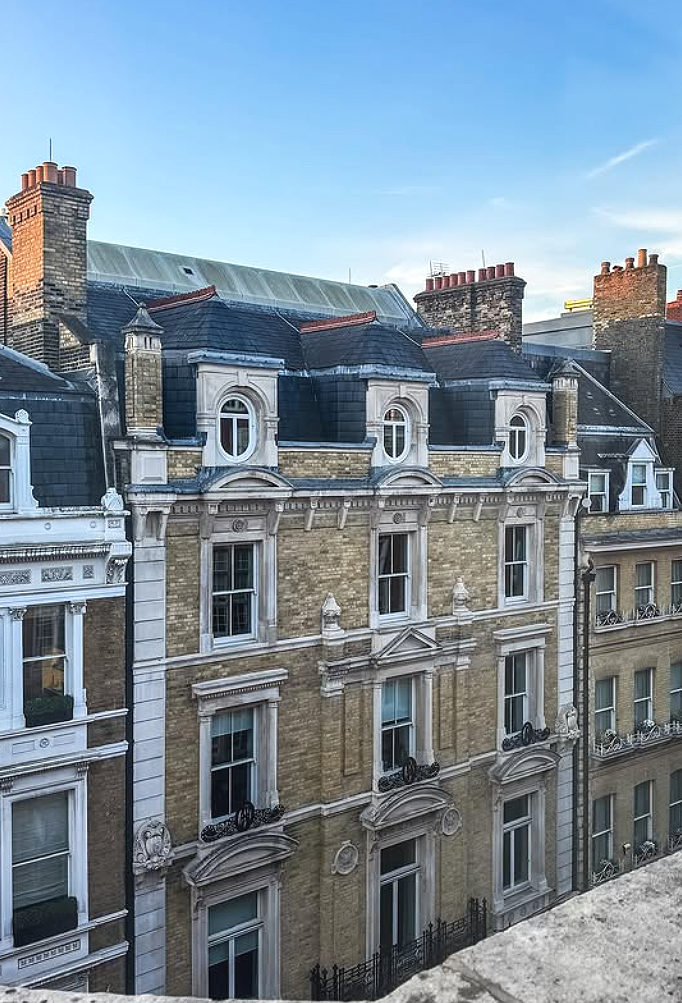
The hotel sits quietly on Henrietta Street, a row of elegant townhouses that feel more residential than central London has any right to. The hotel itself is housed inside a pair of restored 19th‑century townhouses — the kind of buildings that still carry the quiet dignity of old London. From the outside, it feels discreet, almost residential, as though you’re slipping into a private home rather than a hotel. Inside, Dorothée Meilichzon’s design language takes over: smooth façades, terracotta tones, botanical prints, arches, and custom furniture that nods to Parisian apartments rather than traditional British hotels. There’s a softness to everything — curved lines, warm lighting, and that slightly irreverent French playfulness that the Experimental Group is known for.
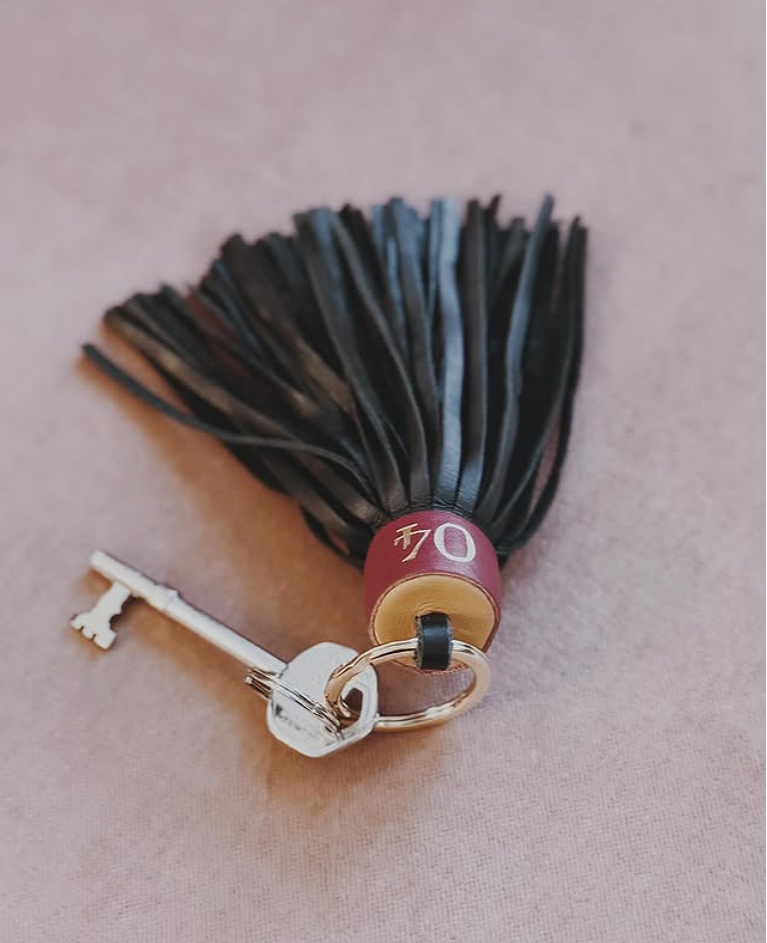
The staff match the mood: warm, unhurried, and quietly stylish. They greet you like a returning friend rather than a booking number, and there’s an ease to the way they move through the space — helpful without hovering, present without performing. It feels intimate, almost like being welcomed into someone’s beautifully designed townhouse where everyone knows exactly when to appear and when to disappear.
The rooms themselves are a continuation of that Franco‑London blend. Each one feels thoughtfully composed rather than decorated — custom headboards, 1970s‑inspired armchairs, botanical motifs, and bathrooms with rainfall showers or freestanding tubs. Some rooms overlook Henrietta Street, others the churchyard of St Paul’s, and a few have terraces that open to views of the London Eye or the city’s rooftops. Even the smallest rooms feel cocooning, while the larger ones — especially the Executive Rooms and Junior Suites — have that Paris‑meets‑London apartment feel, with generous beds, soft textures, and just enough whimsy to make you smile.
There’s a distinctly French sensibility running through the whole hotel: the lighting that flatters rather than exposes, the palette that feels warm and lived‑in, the way the spaces encourage lingering rather than rushing. It’s not trying to be grand; it’s trying to be memorable — and it succeeds in that quiet, confident way the French do so well.


The Garden & A Dawn Encounter
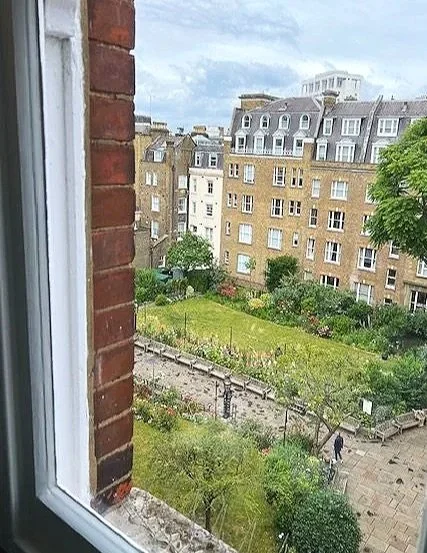
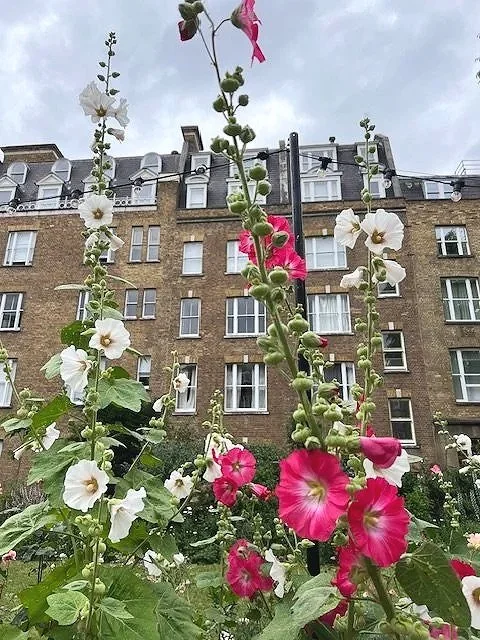
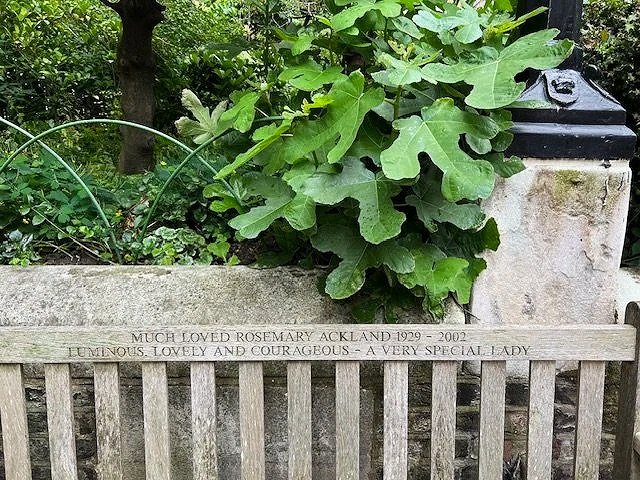
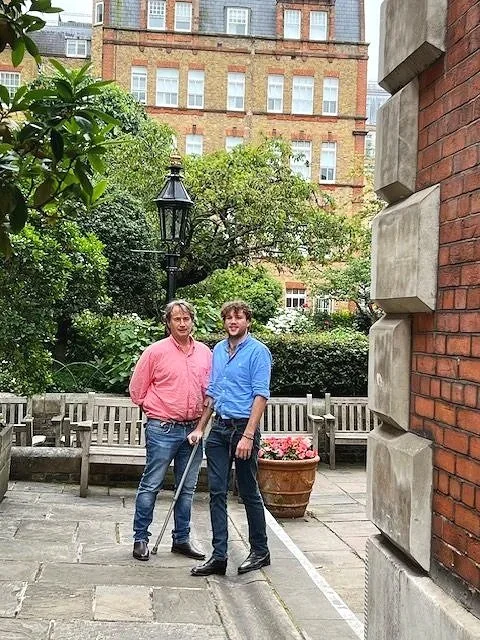
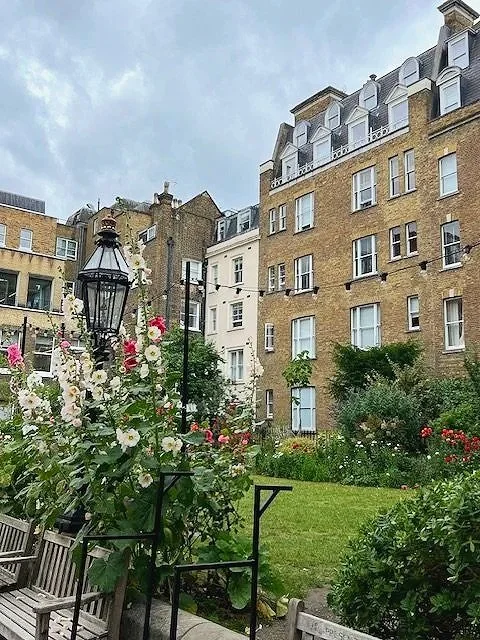
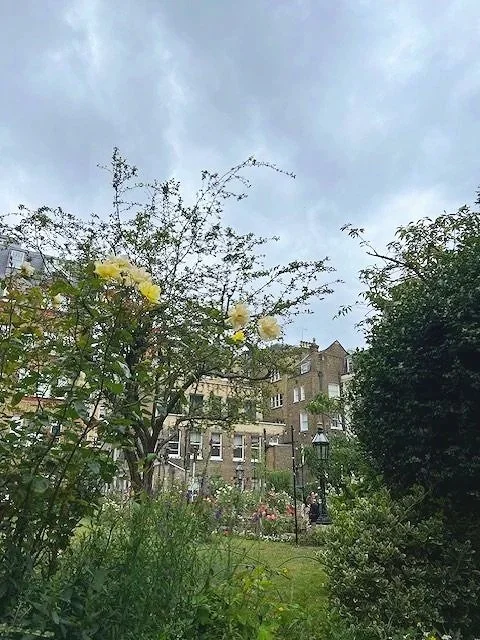
From our room, we looked directly down into the gardens of St Paul’s — a quiet, green pocket that feels almost hidden from the rhythm of Covent Garden. From above, the space takes on a gentle, cinematic quality: rounded hydrangea heads in soft blues and blush pinks, lavender borders tracing loose lines through the lawn, roses climbing in romantic arcs along the brick. Morning light pools in the centre of the garden before stretching toward the church steps, and the whole scene feels slower, softer, as if the city hasn’t quite woken up yet.
In July, the garden is at its most generous. Bees drift lazily through the lavender, ferns settle into the shaded corners, and wildflowers scatter themselves through the grass in a way that feels unplanned but perfect. It’s a garden that doesn’t try too hard — it simply exists, beautifully.
One morning, just after sunrise, I wandered down into the garden expecting nothing more than the quiet. Instead, a fox appeared — not in the distance, but barely a metre and a half away. We both froze. I didn’t know much about foxes and had a moment of wondering whether he might bite me; he seemed equally unsure about me. We stared at each other for what felt like minutes, neither of us moving, the whole garden holding its breath around us. Then, as calmly as he’d arrived, he blinked, turned, and wandered back through the gate and into the streets of Covent Garden, off to wherever foxes go at dawn. A tiny, unexpected London moment I’ll never forget.
hENRI
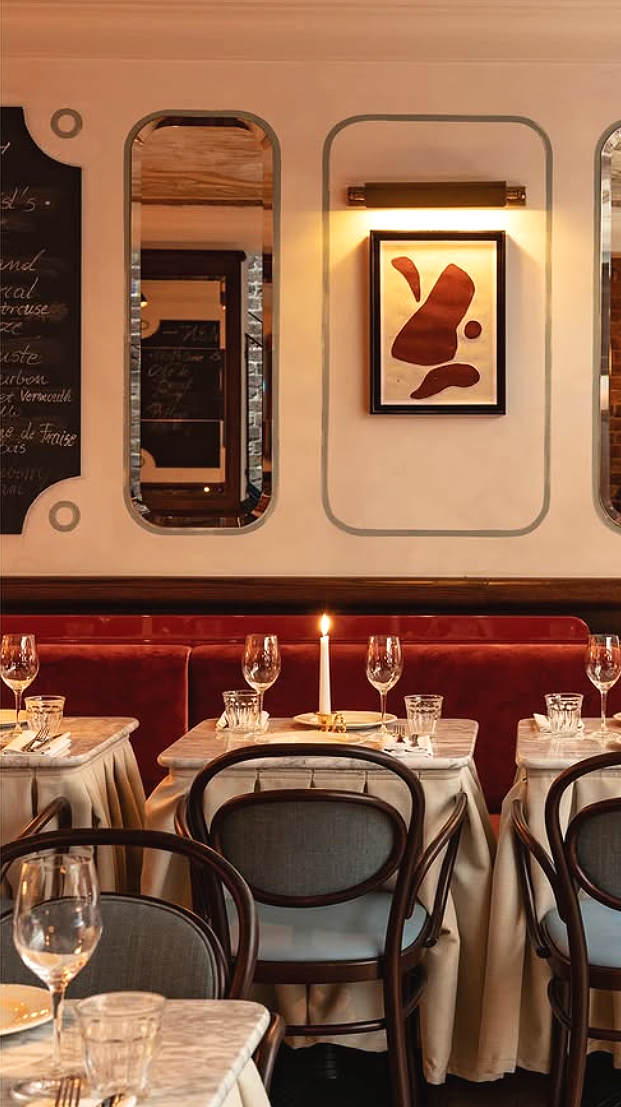
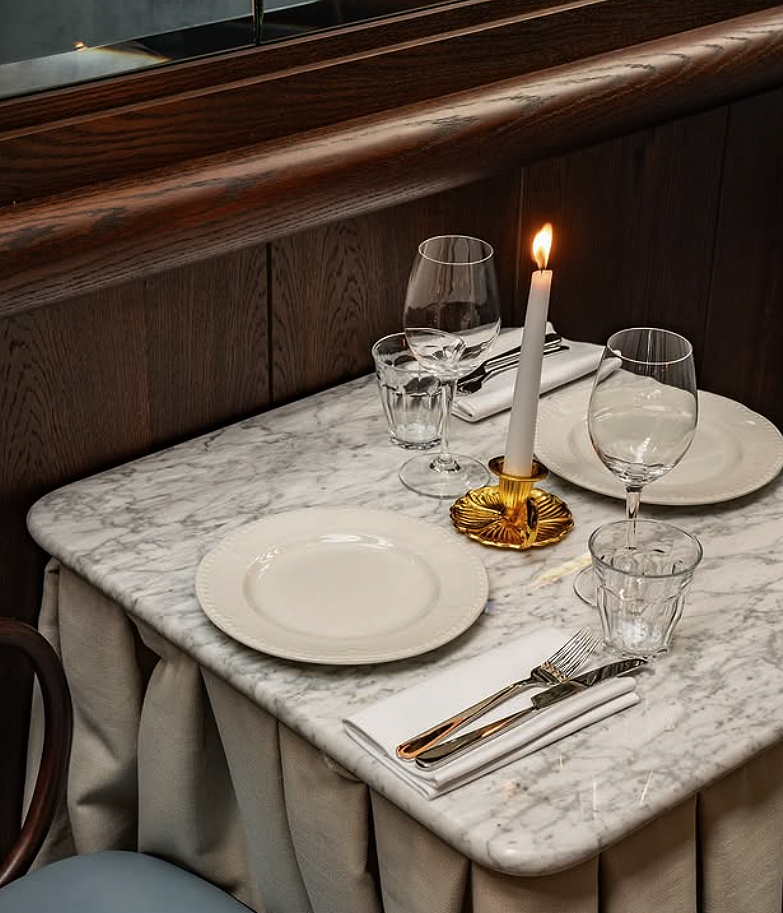
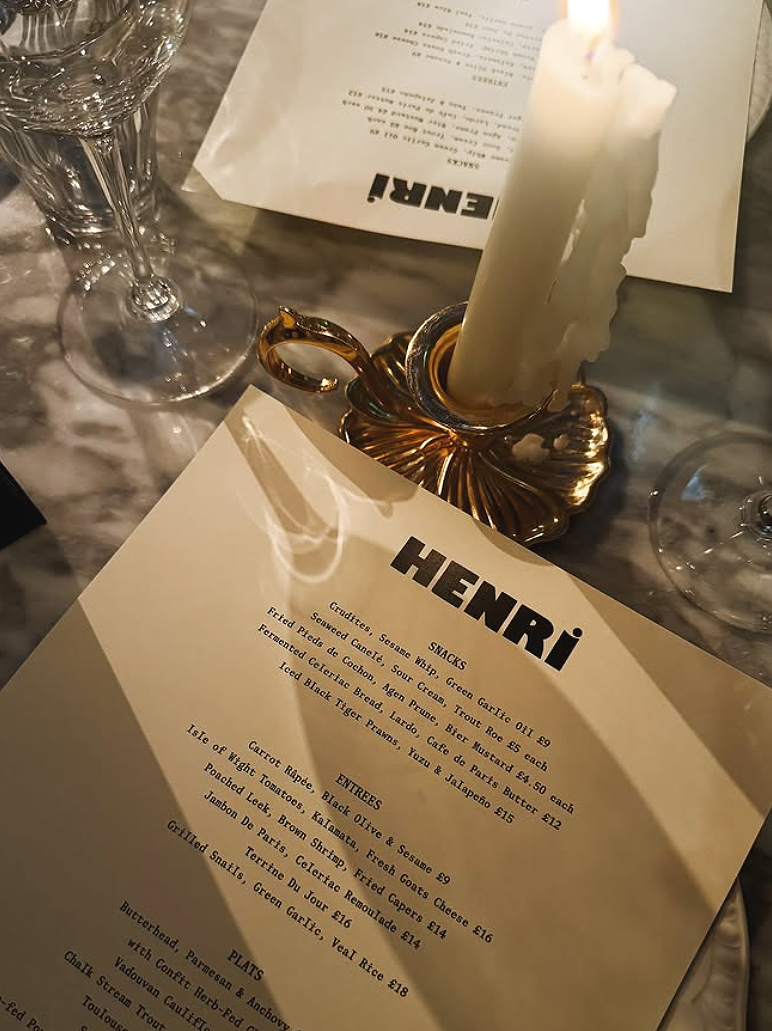
Henri, the restaurant at the Henrietta Experimental, is now led by renowned British chef Jackson Boxer, whose cooking brings a playful, Parisian‑bistro spirit into the heart of Covent Garden. His menu is a love letter to French classics, reimagined with a distinctly British wink — from Fried Pied de Cochon with black garlic to a gloriously indulgent Raclette Burger au Poivre. Open daily for breakfast, lunch, dinner and pre‑theatre, Henri feels both intimate and quietly glamorous, a place where candlelight softens the room and the staff move with that effortless Experimental Group charm. The adjoining bar adds its own jewel‑box mood: low lighting, beautifully balanced cocktails, and that slightly mischievous French energy that makes you want to stay longer than planned. Centrally located between Soho, Trafalgar Square and The Strand, Henri is the kind of restaurant you slip into for a meal and leave feeling as though you’ve discovered a little Franco‑London secret.


Stepping Out Into Covent Garden
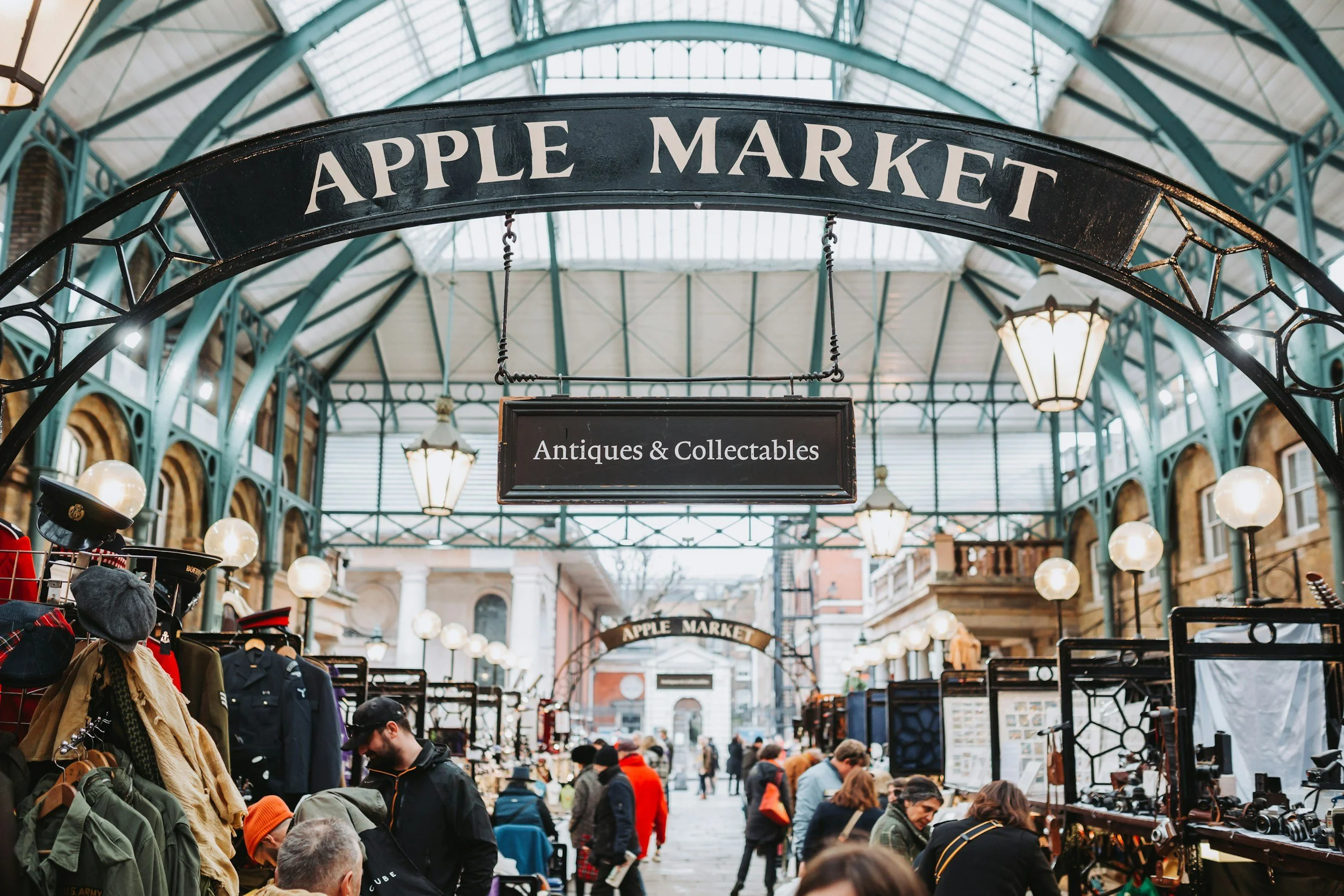
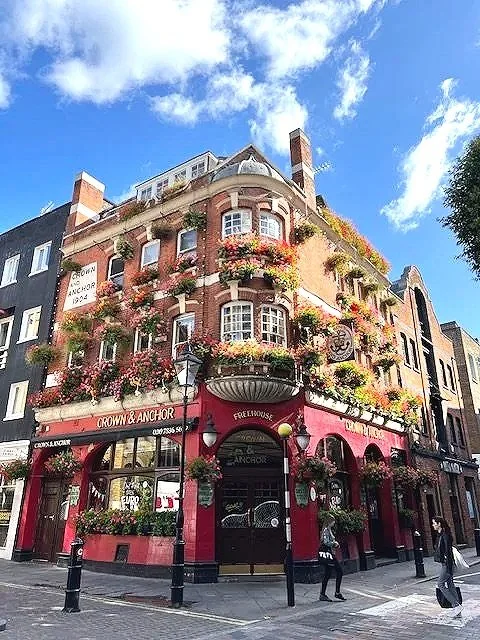
Step outside and you’re met with that perfect Covent Garden mix: tiny wine bars, independent restaurants, bakeries opening their shutters for the morning, and late‑night spots that glow softly after dark. Everything you could possibly want — coffee, cocktails, dinner, a last glass of wine — is quite literally at your doorstep. It’s one of those rare London streets that feels lived‑in and local, even though the Piazza is only a few steps away.

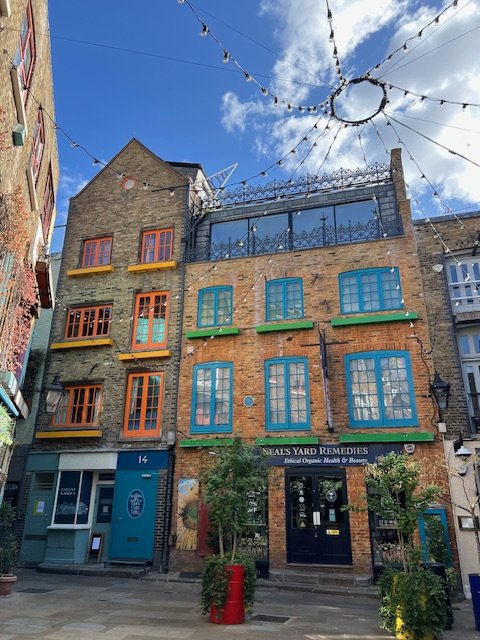
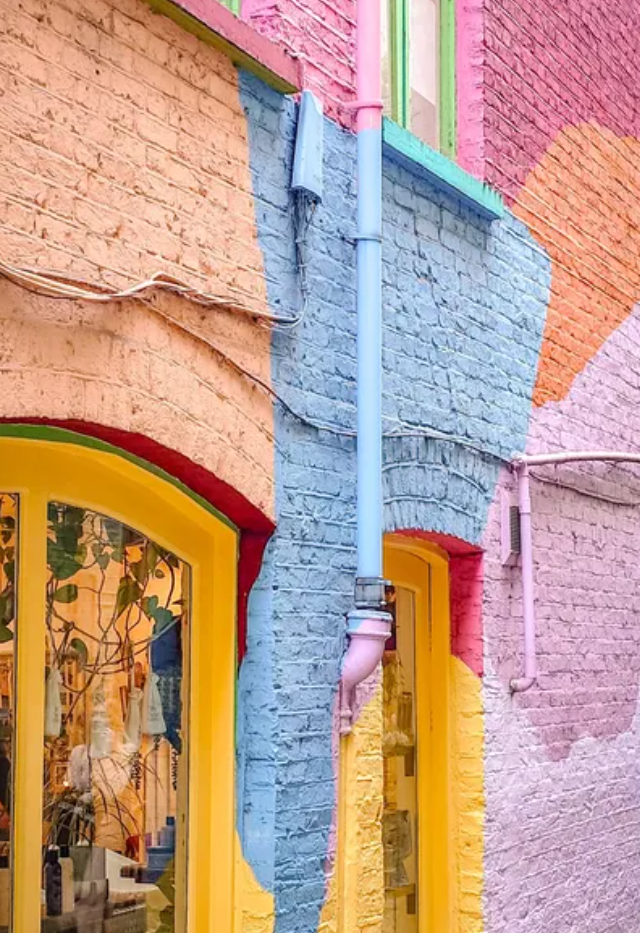
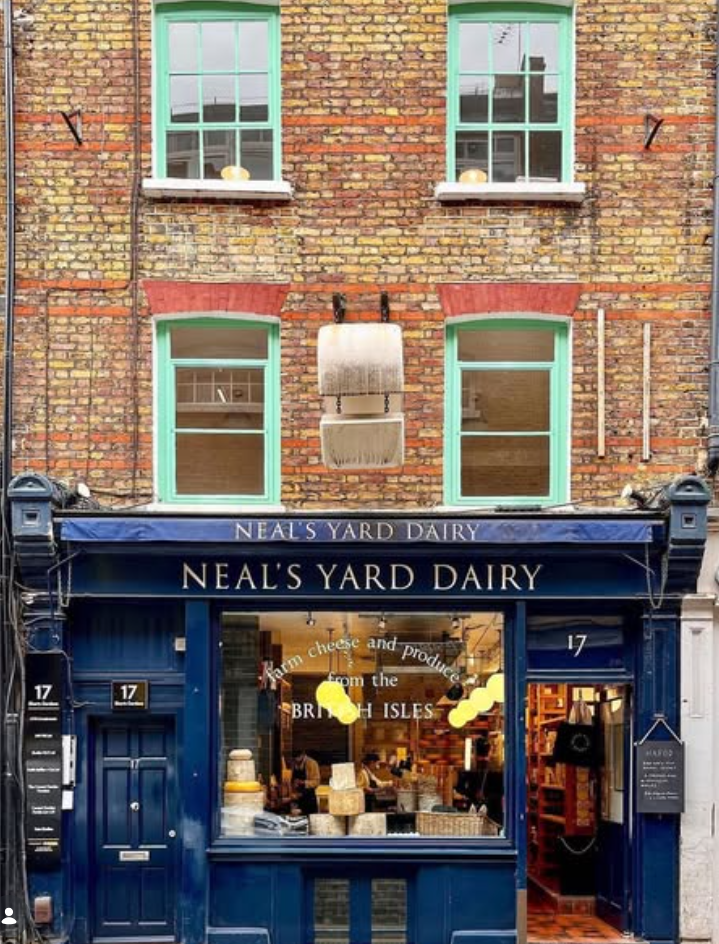
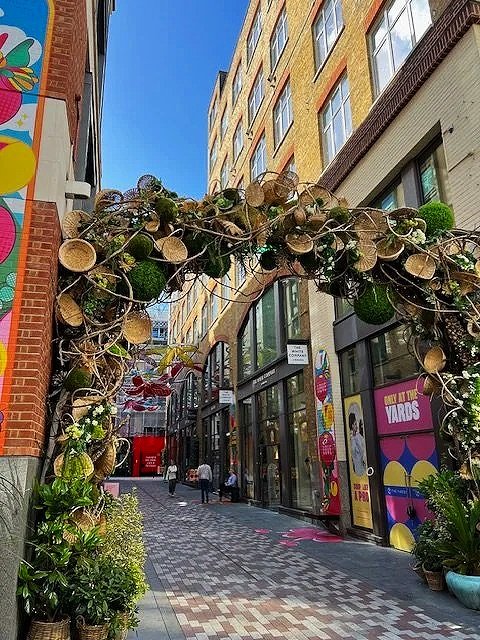
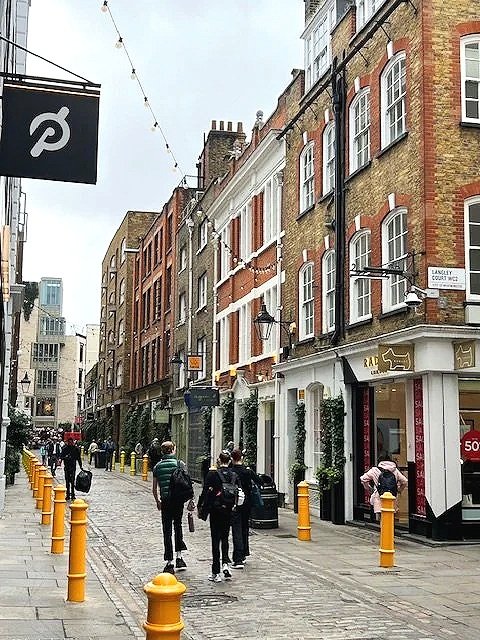
Covent Garden is often described as lively, but early in the day it’s something else entirely — cinematic, almost hushed. We wandered towards Neal’s Yard, that tiny kaleidoscope of colour hidden between buildings. A coffee from 26 Grains in hand, we watched the courtyard come alive: shopkeepers rolling out baskets, locals weaving through on their way to work, the first scent of pastries drifting from the bakery. One of my favourites is tucked inside the courtyard Neal’s Yard Remedies, the original apothecary‑style shop with its shelves of botanical oils, herbal blends, and those iconic cobalt‑blue bottles. It smells of lavender, citrus, and something quietly soothing you can never quite name. Even if you’re not shopping, it’s worth wandering through just to feel that gentle, holistic calm before stepping back into the energy of Covent Garden. From there, the neighbourhood unfolds in layers. Covent Garden rewards those who wander without a plan.
PETERSHAM NURSERIES: FROM COVENT GARDEN’s botanical calm to the richmond flagship
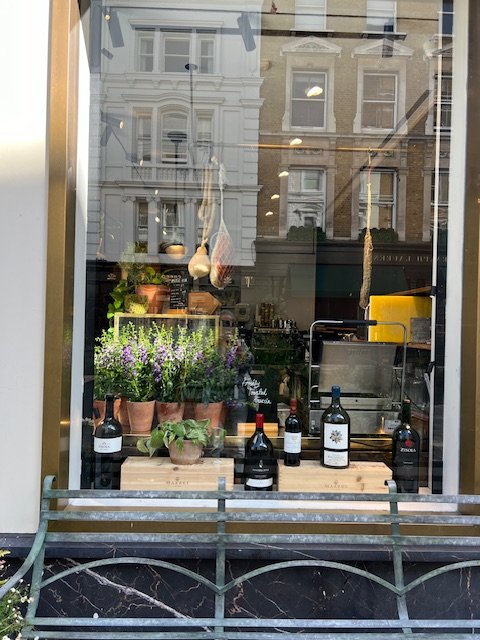
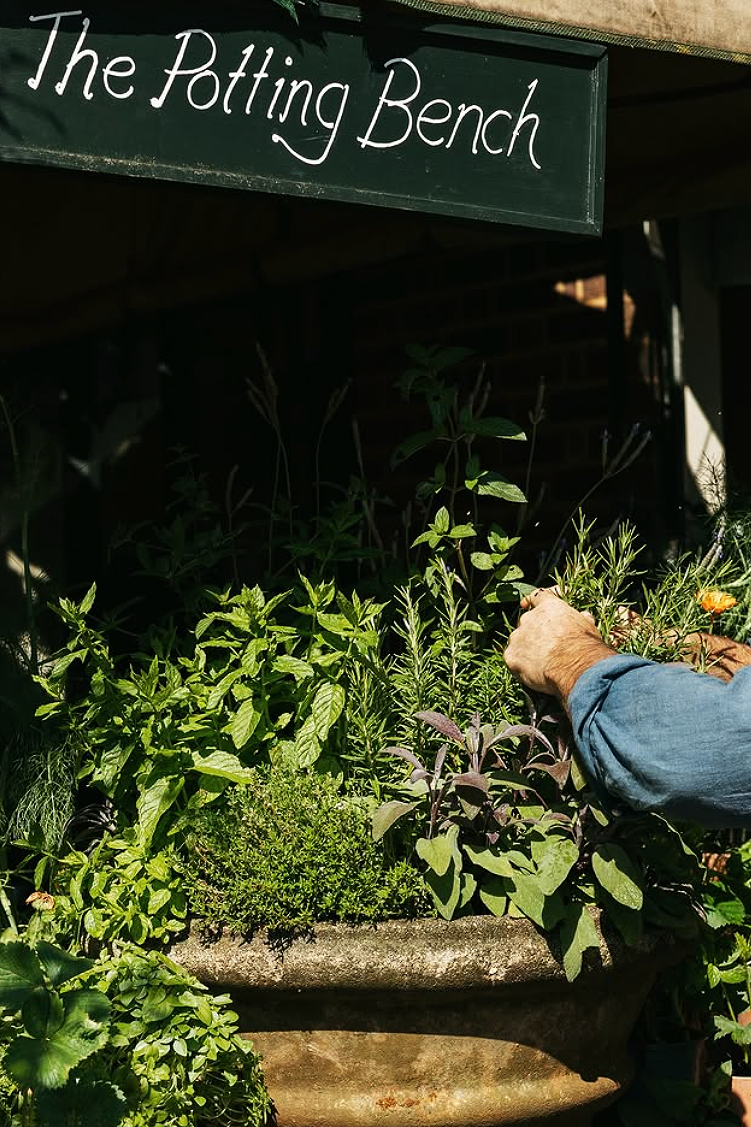
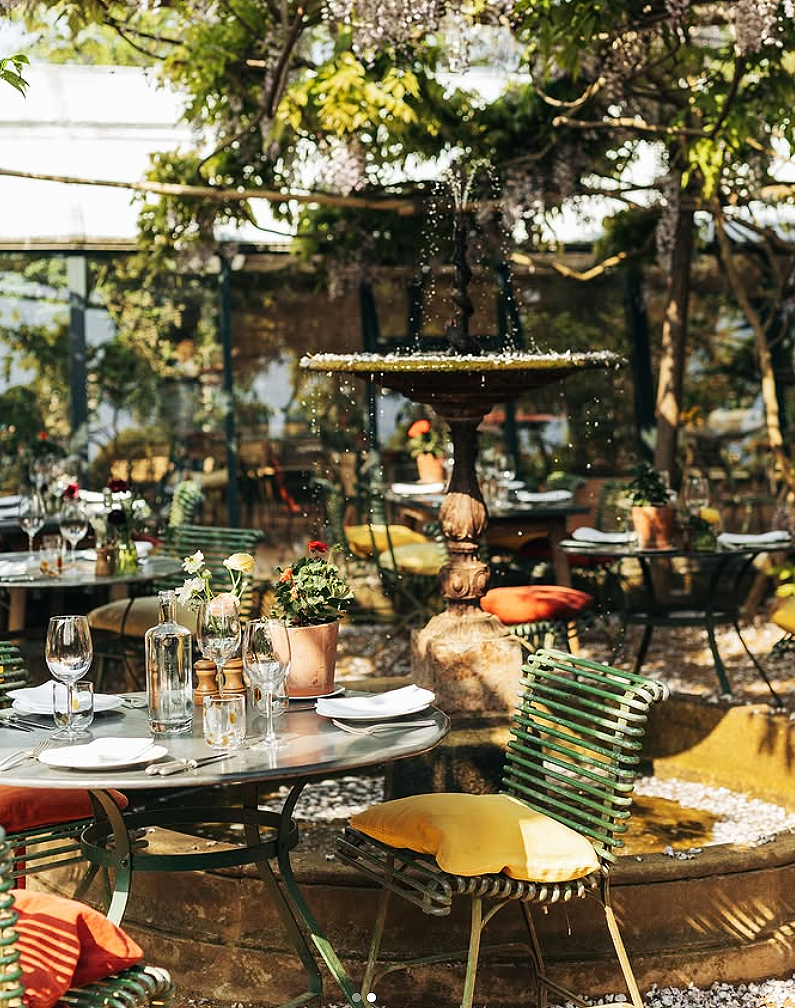
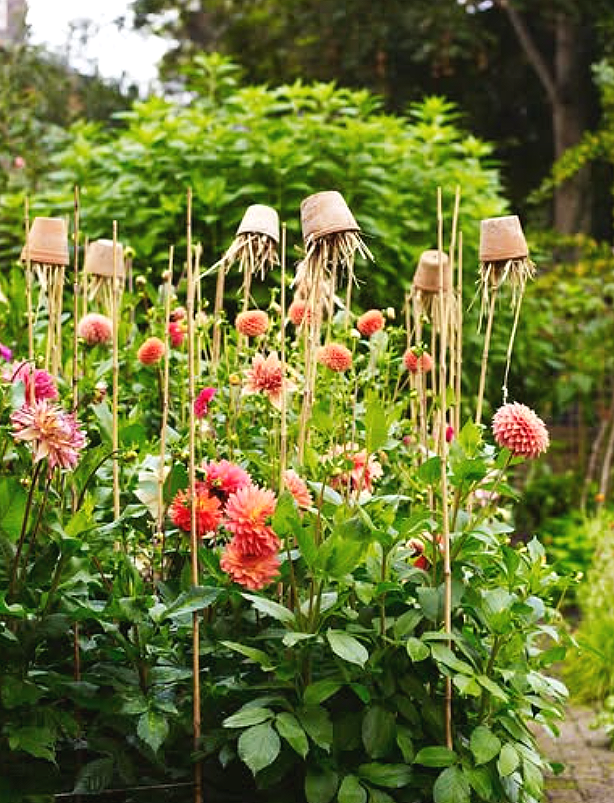
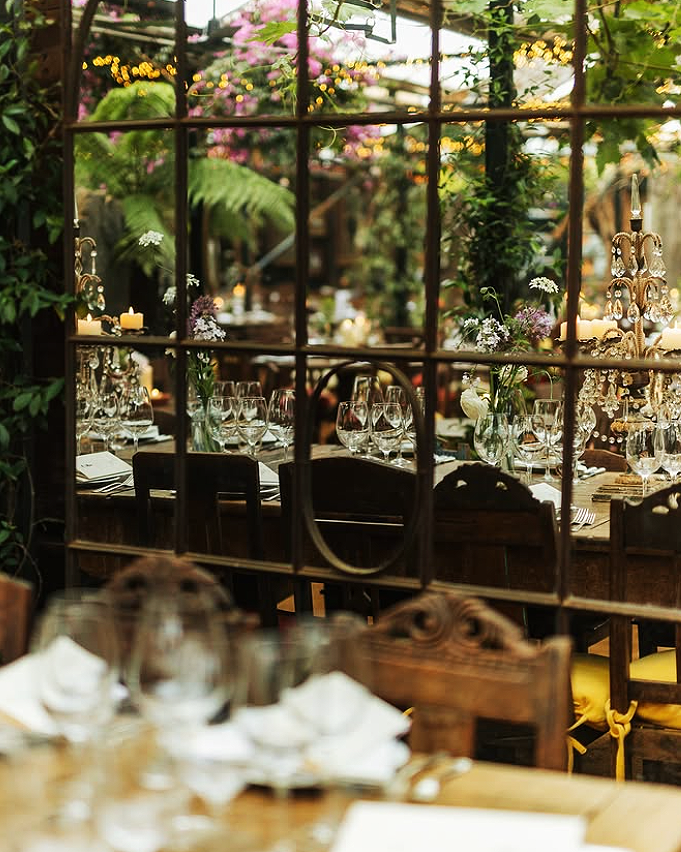
There’s something quietly theatrical about stepping into Petersham Nurseries in Covent Garden. Just off Floral Street, the city seems to soften as you enter — the clatter fades, the light shifts, and suddenly you’re surrounded by botanical stillness. Their Covent Garden outpost feels like a greenhouse reimagined for the city: Italian‑leaning dishes, Murano glass catching the light, and tables dressed with flowers as if someone has just wandered through a garden and placed them there by instinct. It’s intimate, atmospheric, and rooted in the philosophy that defines the brand — a reverence for nature, a love of seasonality, and a belief that beauty should feel effortless.
Part florist, part lifestyle atelier, part Italian daydream. Their ceramics and linens feel like they’ve been gathered from summers spent in the Mediterranean. It’s a place you drift through slowly.
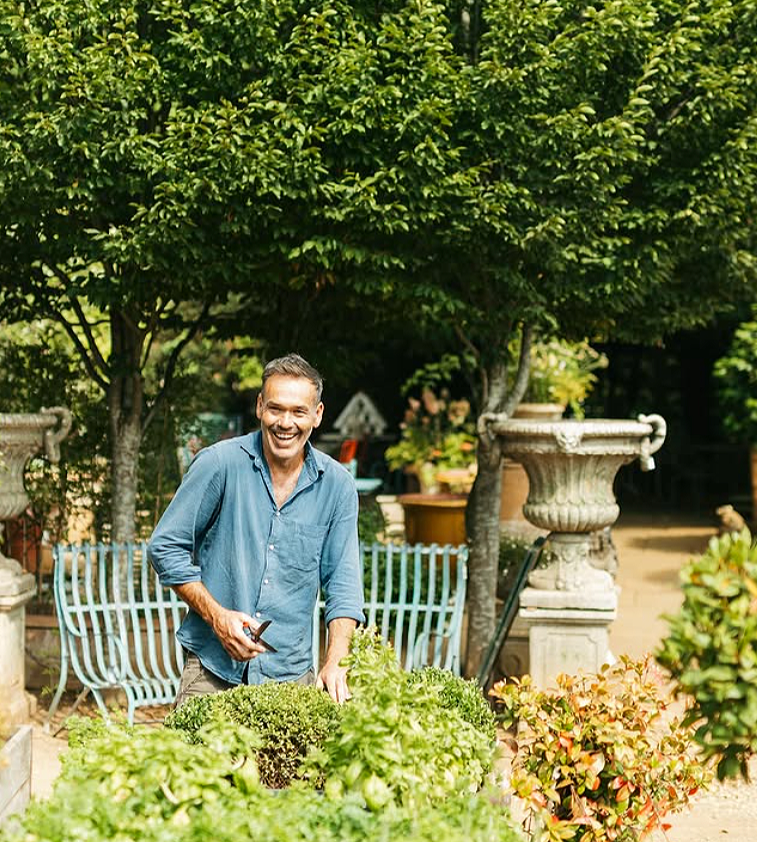
But to understand Petersham Nurseries fully, you have to travel to Richmond, where the flagship unfolds like a world of its own. Described as a unique lifestyle destination — home to restaurants, shops, a garden nursery and more — it’s the original expression of the brand’s slow‑living ethos. Here, you can wander between the glasshouse restaurant, the Teahouse, the garden nursery, and the lifestyle shop, each space carrying that signature Petersham blend of rustic elegance and botanical romance.
Afternoon tea in the garden feels like a small ceremony: cakes under glass domes, seasonal flowers trailing overhead, the gentle hum of a place that has grown organically over time. The restaurant is iconic — seasonal Italian cooking served at weathered tables that seem to hold stories of their own. The nursery is a horticultural treasure trove, full of heritage plants and pots that look as though they’ve been collected from old estates. And the lifestyle shop is a curated world of linens, glassware, ceramics, and objects that feel discovered rather than bought.
Moving between the two locations becomes part of the experience. From Covent Garden, you can take the Piccadilly Line or Northern Line to Waterloo, then a South Western Railway train to Richmond, followed by a gentle walk or short taxi ride to the nursery. Or you can take the District Line directly from Embankment or Westminster to Richmond if you prefer a slower, no‑transfer route. A taxi or Uber will take you there in around forty minutes, offering a scenic shift from the city’s energy to Richmond’s leafy calm.
Together, the two sites tell the full story of Petersham Nurseries — one a jewel box in the heart of London, the other a sprawling, romantic universe shaped by nature, family, and time.

A Few Good Tables
Covent Garden’s dining scene is often spoken about loudly, but the places we loved most were the ones tucked just out of sight.
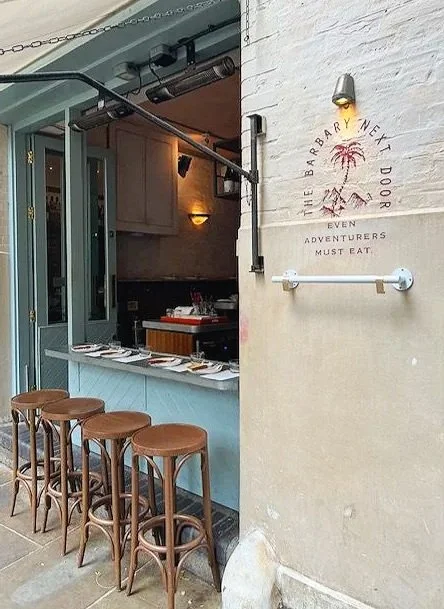
The Barbary
Hidden in Neal’s Yard, this counter‑style restaurant serves dishes that feel ancient and modern at once — smoky, charred, bright with spice. The cauliflower is a revelation.
Frenchie
A Paris‑meets‑London bistro with a menu that feels indulgent without being heavy. The kind of place where lunch easily becomes the afternoon.
Bancone
Fresh pasta, beautifully priced, and consistently excellent. Their silk handkerchief pasta with walnut butter is the dish you’ll think about later on the flight home.
The oysterman
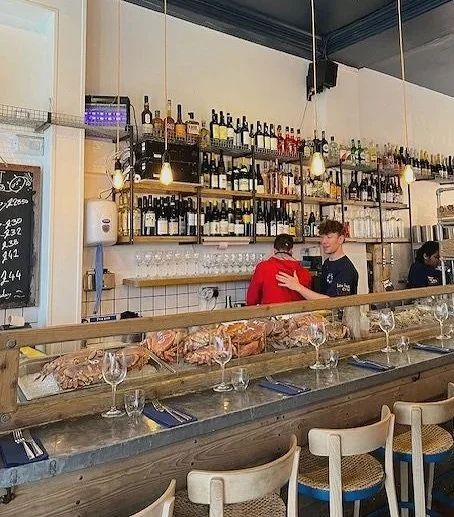
Tucked along Henrietta Street, The Oystermen is one of Covent Garden’s most beloved seafood rooms — compact, lively, and always humming with the soft clatter of shells and glasses. The mood is relaxed rather than formal, with blackboards scribbled with the day’s oyster varieties and a team who feel more like hosts than servers.
The ORIGINAL IVY
The Ivy on West Street is old‑school London glamour — white tablecloths, stained‑glass windows, and that unmistakable hum of theatre‑district energy. It’s polished without being stuffy, the kind of room where service feels effortless and the menu leans into classics: shepherd’s pie, crispy duck salad, perfectly made cocktails.
It’s a quintessential pre‑ or post‑show stop, but also a lovely long‑lunch destination when you want something timeless, indulgent, and unmistakably “London.”
The 10 Cases
A tiny, quietly confident bistrot on Endell Street, The 10 Cases is all about good wine, good food, and zero fuss. The menu changes constantly, leaning French and seasonal, while the wine list stays deliberately small — only ten whites and ten reds at a time — which keeps everything fresh and interesting. It’s intimate, relaxed, and wonderfully unpretentious

The Beauty of Staying at Henrietta
We stayed for four nights in July, long enough to settle into the rhythm of Covent Garden and appreciate just how effortless the location truly is. Everything was on our doorstep — morning coffee, late‑night dining, tiny wine bars, theatre energy, quiet backstreets, and some of the best shopping in London, from independent boutiques to beautifully curated fragrance and homeware stores.
Inside, the hotel’s own world felt just as considered. The décor carries that signature Experimental Group mood: velvet, soft light, playful Parisian touches, and an attention to detail that makes each room feel intimate and quietly luxurious. Every corner feels intentional — the colours, the textures, the way the spaces are arranged — and together they create a stay that feels beautifully thought through.
A hotel that gets the balance right: convenience and discovery outside, character and calm within.
“Covent Garden reveals its best secrets slowly — in the quiet corners, the early mornings, and the places you only find when you wander without a plan.”